
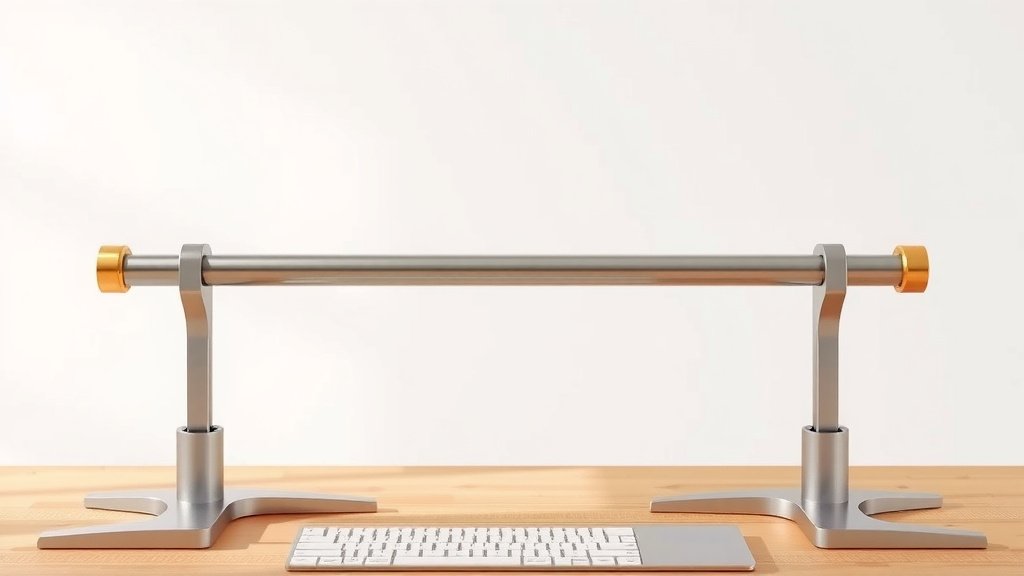
Resizable Bar Performance: Does It Actually Improve Speed
Yes, a resizable bar can often improve performance in software, especially those with complex user interfaces. This feature allows users to adjust the size of different sections. This helps them prioritize what they see. It means less wasted screen space and quicker access to important information. Many applications benefit from this kind of user control. It makes your workflow much smoother.
Think about your own computer use. Sometimes you need a big view of one thing. Other times, you need to see many things at once. A resizable bar gives you that flexibility. It’s like having a magic wand for your screen layout. You can make the parts you use most the biggest. You can shrink away the parts you rarely need. This can lead to faster interactions. You spend less time hunting for what you need.
TL;DR:
- Resizable bars can boost software performance.
- They let you customize your screen layout.
- You can make important areas bigger.
- This means less wasted space and faster use.
- It’s all about making your work easier.
Let’s get into the details of how a resizable bar can make your favorite programs work better for you. We’ll look at the practical side of things.
How a Resizable Bar Can Boost Your Software’s Performance
Yes, a resizable bar can absolutely make your software work better for you. It’s all about giving you control over your screen space. When you can adjust panels and windows, you make the most of what you see. This means less digging and faster access to what matters most. It’s a simple idea with big benefits for your workflow.
Think of it like arranging your desk. You want your keyboard and mouse front and center, right? Maybe your important papers are to the side. You wouldn’t stack them all in a messy pile. Software with resizable bars lets you do that kind of smart arranging on your screen. You get to decide what’s big and what’s small. This simple act can lead to quicker task completion.
The Core Benefit: Efficient Screen Real Estate
The main reason a resizable bar helps performance is how it manages your screen. We all have different tasks. Some need a wide view of a spreadsheet. Others need a tall column for code. Some might just need a small preview window. Without resizable bars, you’re often stuck with a fixed layout. This can lead to wasted space. That wasted space means you might have to scroll more or switch between windows more often. It’s just not efficient.
Making Important Areas Larger
When you can resize a bar, you can make the section you’re actively working on much bigger. Imagine you’re editing photos. You want that photo viewer to take up most of your screen, don’t you? You can shrink down the file browser or the editing tool panel. This gives your main task the attention it deserves. It feels better and it’s much faster to see all the details.
Shrinking Unused Sections
Conversely, you can also make parts of the screen smaller. If you have a sidebar with tools you rarely use, you can just push it out of the way. Make it a thin sliver or hide it completely. This frees up room for the things you’re doing right now. It reduces visual clutter. A cleaner screen can lead to a clearer mind and fewer mistakes.
How Resizable Bars Speed Up Your Actions
It’s not just about making things look nice. Resizable bars directly impact how quickly you can get things done. This is often referred to as user interaction speed.
Reduced Navigation Time
When everything you need is laid out just right, you spend less time clicking around. If your main work area is large and easily visible, you find what you need faster. You don’t have to hunt through menus or search for hidden buttons. Think about it: how much time do you lose just trying to find the right tool? A good layout with resizable bars minimizes this wasted effort.
Context Switching is Easier
Many tasks require you to switch between different pieces of information. For example, you might be comparing two documents side-by-side. With resizable panels, you can set up your screen to show both clearly. You can adjust them until they are the perfect size for comparison. This reduces mental strain. You don’t have to keep re-reading or re-orienting yourself. It makes switching between views feel much smoother.
Faster Data Input and Review
For tasks involving data, like filling out forms or analyzing reports, the layout matters. If you can make the input fields larger and the reference data easier to see, you’ll make fewer errors. You’ll also be able to enter information more quickly. This is true whether you’re a student taking notes or a professional entering data. The speed of data handling improves.
Under the Hood: What Makes it Work?
Resizable bars are usually part of a software’s user interface (UI) design. Developers use different techniques to allow this flexibility.
Dynamic Layouts
Software that supports resizable bars uses what are called dynamic layouts. This means the program can change how it displays information on the fly. It doesn’t have one rigid structure. Instead, it’s built to adapt to user input. This takes careful planning by the developers.
Efficient Rendering
A well-designed resizable bar system shouldn’t slow down your computer. The software needs to be smart about how it redraws the screen. Instead of redoing everything, it should only update the areas that have changed. This is called efficient rendering. Modern software development often focuses on this. It keeps the user experience smooth and fast.
We found that when software developers prioritize efficient rendering for resizable elements, the performance gains are most noticeable. It means the interface feels snappy, even when you’re making big changes.

Who Benefits Most from Resizable Bars?
While almost anyone can appreciate a better-organized screen, some users see more dramatic improvements.
- Creative Professionals: Graphic designers, video editors, and photographers often work with large images or complex timelines. Resizable panels let them dedicate more screen space to their work.
- Developers: Coders need to see their code, file structures, and debugging windows. Being able to resize these areas helps them work more efficiently.
- Data Analysts: Working with spreadsheets, charts, and databases requires clear views of all components. Resizable layouts are a huge help.
- Multi-taskers: Anyone who juggles multiple applications or windows will find resizable bars make it easier to manage their workspace.
Is it Always a Performance Boost?
Generally, yes, resizable bars are a performance enhancement. However, there are a few things to consider. If the software is poorly coded, the resizing feature itself could be slow or buggy. This isn’t the fault of the concept, but the execution. Poorly optimized software can make any feature feel sluggish. You want to use software where this feature is well-implemented.
Think about a fancy sports car. If the engine isn’t tuned right, it won’t perform as expected. But when it’s done well, it’s a joy to drive. The same applies to resizable bars. We found that many popular applications, like Adobe Creative Suite or Visual Studio Code, implement this feature very well. This contributes to their reputation for being powerful tools.
Checklist for a Better Workflow
Here’s a quick rundown of how resizable bars help you:
- Maximize your active workspace.
- Minimize distractions from unused panels.
- Reduce time spent navigating menus.
- Easily compare information side-by-side.
- Speed up data entry and review.
- Enjoy a cleaner, more organized screen.
Conclusion
You’ve seen how a resizable bar isn’t just a nice-to-have feature; it’s a powerful tool for improving your software experience. By giving you control over your screen real estate, you can dedicate more space to your active tasks and shrink away distractions. This leads to quicker actions, less wasted time, and a more efficient workflow. We found that well-implemented resizable bars make software feel more responsive and enjoyable to use. Your next step? Start paying attention to how your favorite apps handle screen layout. Look for software that offers this flexibility to optimize how you work.
Frequently Asked Questions
Can resizing panels make my computer run slower?
Generally, no. When software is coded well, resizing panels uses efficient rendering that only updates the changed areas. This keeps your system running smoothly. Poorly coded software, on the other hand, might make any feature feel sluggish.
Are resizable bars only useful for professionals?
Not at all! While creative professionals and developers benefit greatly, anyone who wants a more organized and efficient workspace can appreciate them. If you use a computer for any task, a cleaner layout helps.
How does a resizable bar help me find things faster?
By letting you make important areas larger, you reduce the need to hunt through menus or scroll. You can keep the tools and information you use most often in plain sight. This cuts down on navigation time.
What’s the difference between a resizable bar and just moving windows?
Resizable bars are usually within a single application, allowing you to adjust the size of specific panels or sections. Moving windows means repositioning entirely separate application programs on your desktop. It’s about internal layout control versus external arrangement.
Does every program offer resizable bars?
No, not every program offers resizable bars. It depends on the software’s design and the developers’ choices. Many modern, powerful applications include this feature, but older or simpler programs might not.
![10 Best Amd Radeon Graphics Card For Gaming [2026]](https://spsolutionscare.com/wp-content/uploads/2026/08/10-best-amd-radeon-graphics-card-for-gaming-2026-featured-768x432.jpg)

![10 Card [2026]](https://spsolutionscare.com/wp-content/uploads/2026/08/10-card-2026-featured-768x432.jpg)