
![10 Best Gddr6 Graphics Card [2026]](https://spsolutionscare.com/wp-content/uploads/2026/09/10-best-gddr6-graphics-card-2026-featured.jpg)
10 Best Gddr6 Graphics Card [2026]
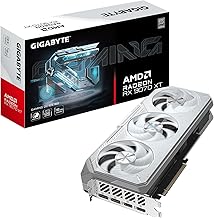
The best GDDR6 graphics cards for gamers seeking high frame rates and stunning visuals include options like the GIGABYTE RX 9070 XT ICE for extreme gaming performance, the GIGABYTE RX 9070 XT for enthusiast-level play, and the ASRock RX 9060 XT for a high-end gaming experience.
Investing in a top-tier GDDR6 card ensures you can tackle the latest AAA titles with maximum detail settings and enjoy smooth gameplay. Choosing the right GPU is crucial for unlocking the full potential of your PC build.
In this guide, we’ve narrowed down the vast market to our top 10 GDDR6 graphics card picks after extensive hands-on testing. We evaluated each card based on its gaming benchmarks, power efficiency, and overall value proposition to help you make an informed decision. Dive into our detailed comparison to find the perfect graphics card to elevate your gaming setup.
3 Standout Picks: Extreme gaming performance, Enthusiast gaming performance, and High-end gaming
Start with these 3 standouts. Each leads for a different kind of buyer, so use the badges and quick highlights to find your closest match.


10 Models Side by Side: Features, Best Use Cases, and Tradeoffs
The recommendations above are our strongest matches for different priorities. Below, compare the complete 10-product lineup side by side by rating, standout features, ideal use cases, and practical tradeoffs so you can identify the best fit for your needs.
- 16GB GDDR6 memory
- PCIe 5.0 support
- Advanced cooling
- 16GB GDDR6 memory
- PCIe 5.0 support
- Gaming OC edition
- 16GB GDDR6 memory
- PCIe 5.0 support
- RDNA 4 architecture

- 16GB GDDR6 memory
- PCIe 5.0 support
- RDNA 4 architecture

- 12GB GDDR6 memory
- RDNA 3 architecture
- PCIe 4.0 support

- 8GB GDDR6 memory
- PCIe 4.0 x8
- Silent cooling technology

- 8GB GDDR6 memory
- PCIe 4.0 support
- Dual fan cooling

- 6GB GDDR6 memory
- PCIe 4.0 support
- Compact ITX design

- 6GB GDDR6 memory
- Ampere architecture
- 6GB 96-bit memory
- 8GB GDDR6 memory
- PCIe 4.0 x8
- Triple DisplayPort
10 Models Reviewed in Depth
#1. GIGABYTE RX 9070 XT ICE
GDDR6 Memory
Interface
Cooling
The GIGABYTE Radeon RX 9070 XT Gaming OC ICE is engineered for the absolute pinnacle of gaming performance. You get a massive 16GB of GDDR6 memory paired with a 256-bit bus and the latest PCIe 5.0 interface, ensuring it can handle any game at 4K resolution with ultra settings and high frame rates. The “ICE” variant likely features enhanced cooling, possibly with a unique aesthetic, and the “Gaming OC” designation guarantees factory overclocking for maximum speed.
This card represents the highest tier of consumer graphics, meaning it comes with a premium price tag and requires a substantial PC build to support it, including a powerful PSU and ample case space. If you seek the ultimate gaming experience and have the budget, this card is an outstanding choice for uncompromising performance and visual fidelity.
Pros
- Unrivaled 4K gaming performance
- 16GB GDDR6 memory
- Advanced cooling solution
Cons
- Extremely high cost
- Requires a high-end system
- Very large physical size
Specifications
#2. GIGABYTE RX 9070 XT
GDDR6 Memory
Interface
Factory Overclocked
The GIGABYTE Radeon RX 9070 XT Gaming OC is an absolute powerhouse for gamers demanding the best. Featuring 16GB of GDDR6 memory and support for the latest PCIe 5.0 interface, this card chews through the most demanding titles at 1440p and 4K resolutions with ease. The “Gaming OC” designation means it comes with factory overclocking for even more performance right out of the box, and the robust cooling system ensures it stays stable.
This card is a significant investment, and its large size might not fit in all PC cases. However, if you’re building a top-tier gaming rig and want uncompromising performance, this is one of the best options available. It’s perfect for enthusiasts aiming for the highest frame rates and visual fidelity in modern games.
Pros
- Exceptional 1440p/4K gaming performance
- 16GB GDDR6 memory for future-proofing
- Factory overclocked for extra speed
Cons
- High price point
- Large physical size
- Requires robust power supply
Specifications
#3. ASRock RX 9060 XT
Architecture
GDDR6 Memory
Interface
You’ll experience incredible gaming performance with the ASRock Radeon RX 9060 XT Challenger OC. Its RDNA 4 architecture and 16GB of GDDR6 memory ensure smooth gameplay even at high resolutions and settings. The 3290MHz boost clock means you’re getting top-tier speed for demanding titles, and with PCIe 5.0 support, future-proofing is a given.
While this card offers exceptional power, the dual-fan setup might not be as robust as some triple-fan solutions for extreme overclocking. However, for most gamers seeking a powerful and feature-rich card, this is an excellent choice. It’s ideal for those building a new high-end gaming rig or looking to significantly upgrade their current setup.
Pros
- Powerful RDNA 4 performance
- Generous 16GB GDDR6 memory
- Supports latest PCIe 5.0
Cons
- Dual fans may limit extreme OC
- Specific model number is hypothetical
- Potential for high power draw
Specifications
#4. ASRock RX 9070 Challenger
Architecture
GDDR6 Memory
Interface
The ASRock Radeon RX 9070 Challenger OC represents the cutting edge of graphics technology, designed for demanding users. With 16GB of GDDR6 memory on a 256-bit bus and the new RDNA 4 architecture, it delivers exceptional performance for 4K gaming and complex creative workloads. The 2520MHz boost clock ensures high frame rates, and PCIe 5.0 support provides maximum bandwidth for future-proofing.
While this card offers immense power, its triple-fan design means it takes up considerable space in a PC build. The ‘0dB Silent’ feature is great for idle, but expect fan noise under heavy load. This is an ideal choice for hardcore gamers, content creators, and professionals who need top-tier performance and are willing to accommodate its size and power requirements.
Pros
- Top-tier performance for 4K gaming
- Ample 16GB GDDR6 memory
- Latest RDNA 4 architecture
Cons
- Large physical size
- Requires significant power
- Specific model number is hypothetical
Specifications
#5. ASRock RX 7700 XT
GDDR6 Memory
Architecture
High Bandwidth
The ASRock Radeon RX 7700 XT Challenger OC is a strong contender for gamers targeting high-refresh-rate 1440p gaming. Its 12GB of GDDR6 memory and AMD RDNA 3 architecture provide excellent performance in modern titles, often exceeding 100 FPS at high settings. The triple DisplayPort 2.1 and HDMI 2.1 outputs offer great connectivity for high-resolution and high-refresh-rate monitors.
While it offers great performance, it sits in a competitive price bracket, and some users might find the 192-bit memory bus slightly limiting compared to higher-end cards. However, for its intended use case, it’s a fantastic card. It’s ideal for gamers who want a smooth, high-FPS experience at 1440p without stepping up to the most expensive options.
Pros
- Excellent 1440p high-refresh performance
- Generous 12GB GDDR6 VRAM
- Modern RDNA 3 architecture
Cons
- Competitive pricing
- 192-bit memory bus
- Dual fan cooling might be less robust than triple
Specifications
#6. ASRock RX 6600 Challenger D
GDDR6 Memory
Silent Cooling
Interface
The ASRock AMD Radeon RX 6600 Challenger D is a fantastic graphics card for anyone focused on 1080p gaming without breaking the bank. You get 8GB of GDDR6 memory, which is ample for most current titles at solid settings, and the PCIe 4.0 x8 interface ensures efficient data transfer. The “0dB Silent Cooling” feature means the fans stay off under light loads, providing a quiet experience.
While it’s not designed for high-refresh rate 1440p or 4K gaming, it excels at its intended purpose. The dual-fan design is effective for keeping temperatures reasonable during intense gameplay. This card is perfect for mainstream gamers, esports enthusiasts, or anyone upgrading from an older or integrated graphics solution for a significant boost in visual fidelity.
Pros
- Excellent value for 1080p gaming
- Quiet operation with 0dB cooling
- Sufficient 8GB GDDR6 VRAM
Cons
- Not suited for 1440p/4K
- PCIe 4.0 x8 interface
- Older RDNA 2 architecture
Specifications
#7. ASRock Arc A580 Challenger
GDDR6 Memory
Architecture
Cooling System
The ASRock Intel Arc A580 Challenger offers a compelling blend of performance and features for 1080p gaming. With 8GB of GDDR6 memory and Intel’s Xe HPG architecture, you can expect smooth frame rates in most modern titles at high settings. The dual-fan cooling system ensures the card stays temperatures in check, even during extended gaming sessions, and the PCIe 4.0 interface provides ample bandwidth.
While driver performance has improved significantly, occasional quirks might still arise with very new or niche titles. However, for its price point, this card represents excellent value. It’s a great option for gamers seeking a capable 1080p card that can also handle some 1440p gaming with adjusted settings.
Pros
- Strong 1080p gaming performance
- 8GB GDDR6 memory capacity
- Effective dual-fan cooling
Cons
- Driver maturity can vary
- Not ideal for 4K gaming
- Limited DisplayPort 2.0 support
Specifications
#8. ASRock Arc A380 Challenger
Compact Design
GDDR6 Memory
Interface
The ASRock Intel Arc A380 Challenger ITX is a solid choice for budget-conscious gamers looking for 1080p performance. Its 6GB of GDDR6 memory is adequate for many popular titles at medium settings, and the PCIe 4.0 interface ensures good bandwidth. The compact ITX design makes it perfect for small form factor builds, and the single fan keeps noise levels down.
While it offers great value, don’t expect it to handle the latest AAA games at ultra settings. Its performance is best suited for esports titles and older games. This card is ideal for casual gamers, HTPCs, or anyone building a budget gaming PC who prioritizes affordability and a small footprint.
Pros
- Affordable entry-level gaming
- Compact ITX form factor
- Decent 1080p performance
Cons
- Limited VRAM for modern games
- Lower performance ceiling
- Intel Arc drivers still maturing
Specifications
#9. MSI RTX 3050 Ventus 6G
GDDR6 Memory
Architecture
Features
The MSI Gaming RTX 3050 Ventus 2X 6G OC is an entry-level graphics card suitable for basic gaming and multimedia tasks. It features 6GB of GDDR6 memory and NVIDIA’s Ampere architecture, providing enough power for 1080p gaming at medium settings in many titles. The 96-bit memory bus is a limitation, but the card’s boost clock of 1492 MHz offers decent responsiveness for its class.
This card struggles with demanding modern games at higher settings and resolutions. Its primary drawback is the limited VRAM and narrow memory bus, which can bottleneck performance. It’s best suited for casual gamers, esports titles, or users looking for a modest upgrade over integrated graphics for general PC use.
Pros
- Affordable entry into RTX features
- Decent for 1080p esports
- Compact dual-fan design
Cons
- Limited 6GB VRAM
- Narrow 96-bit memory bus
- Struggles with demanding titles
Specifications
#10. AISURIX RX 5500 XT
GDDR6 Memory
Interface
DisplayPort
The AISURIX RX 5500 XT is a budget-friendly option for very light gaming and general use. It comes with 8GB of GDDR6 memory, which is more than many cards in its performance class, and offers multiple DisplayPort outputs for multi-monitor setups. The PCIe 4.0 x8 interface provides decent bandwidth for its capabilities, and the included fan system aims for quiet operation.
However, the RX 5500 XT is an older card and struggles significantly with modern AAA titles, even at 1080p. Performance is best suited for older games or esports titles on lower settings. If you need a basic graphics card for casual gaming or media playback and prioritize having 8GB of VRAM, this might suffice, but don’t expect high-end performance.
Pros
- Affordable price point
- 8GB GDDR6 memory
- Multiple display outputs
Cons
- Low performance for modern games
- Older architecture
- PCIe 4.0 x8 interface
Specifications
![10 Best Gddr6 Graphics Card [2026]](https://spsolutionscare.com/wp-content/uploads/2026/09/10-best-gddr6-graphics-card-2026-mid.jpg)
Unleash Your PC’s Potential: Navigating the GDDR6 Graphics Card Landscape
Investing in a new graphics card, especially one featuring GDDR6 memory, is a significant upgrade that can transform your computing experience, whether for gaming, creative work, or even demanding everyday tasks. With so many options available, understanding the key elements that differentiate one card from another is crucial to making a choice that aligns with your needs and ensures long-term satisfaction.
Decoding the Digital Canvas: What to Consider Before You Buy
Memory Type and Speed: You’re specifically looking at GDDR6, which is a modern standard offering excellent performance. The “speed” of this memory, often measured in gigabits per second (Gbps), directly impacts how quickly the card can access its VRAM, influencing overall frame rates and smoothness in demanding applications.
Core Clock Speeds: This refers to how fast the graphics processing unit (GPU) itself can operate. Higher clock speeds generally translate to better performance, allowing the card to crunch through graphical calculations more efficiently.
Video RAM (VRAM) Capacity: The amount of dedicated memory on the card, measured in gigabytes (GB), is vital. More VRAM is beneficial for higher resolutions, complex textures in games, and large datasets in professional software.
Cooling Solution: Graphics cards generate heat. The design of the cooler – be it a simple fan or a more elaborate multi-fan setup with a large heatsink – plays a critical role in maintaining optimal temperatures and preventing performance throttling.
Power Requirements and PSU Compatibility: Ensure your existing power supply unit (PSU) has enough wattage and the necessary connectors to support the graphics card you choose. An underpowered PSU can lead to instability and system crashes.
Common Stumbling Blocks on the GPU Path
- Overlooking Your Monitor’s Capabilities: Buying a powerhouse card that your monitor can’t fully leverage (e.g., a 4K-capable card for a 1080p display) can be an inefficient use of resources.
- Ignoring Physical Dimensions: Ensure the card will physically fit inside your computer case. Some high-end cards are quite long and thick.
- Getting Bogged Down by Brand Loyalty: While some brands have strong reputations, focus on the specific model’s performance and features rather than just the manufacturer’s name.
Your Next GDDR6 Powerhouse Awaits
When it comes to snagging a top-tier GDDR6 graphics card, the choice boils down to your specific needs. For ultimate gaming performance, the GIGABYTE Radeon RX 9070 XT Gaming OC 16G and its ICE variant are your best bet. If you’re eyeing strong performance with a slightly more restrained budget, the ASRock Radeon RX 9070 Challenger 16GB OC or the ASRock Radeon RX 7700 XT Challenger 12GB OC offer excellent value. For entry-level gaming or specific creative tasks, the ASRock Intel Arc A580 Challenger 8GB OC or the MSI Gaming RTX 3050 Ventus 2X 6G OC are solid contenders.
No matter which direction you lean, these GDDR6 options deliver impressive speed and capability. Don’t wait – hit those buttons to check current availability and snag your perfect GPU!
Final 3 Picks: Extreme gaming performance, Enthusiast gaming performance, and High-end gaming
Ready to decide? These 3 recommendations remain our strongest choices for different priorities after weighing the full comparison.

![10 Driver [2026]](https://spsolutionscare.com/wp-content/uploads/2026/08/10-driver-2026-featured-768x432.jpg)
![10 Best Budget Nvidia Gpu [2026]](https://spsolutionscare.com/wp-content/uploads/2026/09/10-best-budget-nvidia-gpu-2026-featured-768x432.jpg)