Where Is Your Graphics Card Located: A Simple Guide
Your computer’s graphics card, also known as a GPU, is typically located in a PCIe slot on your motherboard. This slot is usually found towards the bottom of your motherboard, horizontally aligned. It’s the powerhouse behind your visual experience, handling everything you see on screen.
Identifying your GPU can feel like a treasure hunt. It’s often the largest expansion card installed. Many desktop computers have their graphics card plugged directly into the motherboard. Laptops, on the other hand, have their graphics card integrated or soldered onto the motherboard itself.
- Graphics cards (GPUs) are usually in a PCIe slot.
- This slot is on the motherboard, often towards the bottom.
- It’s the biggest card and handles visuals.
- Desktop GPUs are plug-in; laptop GPUs are often built-in.
Let’s get this sorted out and find exactly where your graphics card is hiding.
Locating Your Computer’s Graphics Card
So, you’re curious about where your computer keeps its visual magic? It’s often one of the most important pieces for gaming or design work. Let’s find it! Our guide can help you find it.
Understanding Desktop Graphics Card Placement
For most desktop computers, the graphics card is a separate component. It’s plugged into the motherboard. Think of the motherboard as the central nervous system of your PC. The graphics card is like a powerful limb attached to it.
Identifying the PCIe Slot
Graphics cards connect to the motherboard via a special slot. This is called a PCI Express (PCIe) slot. These slots come in different sizes, but graphics cards almost always use the longest ones. These are typically PCIe x16 slots.
You’ll usually find these slots towards the bottom of your motherboard. They run horizontally across the board. They are often colored differently than other slots. Look for a long, rectangular connector. It will have a plastic clip at one end.
Visual Clues to Look For
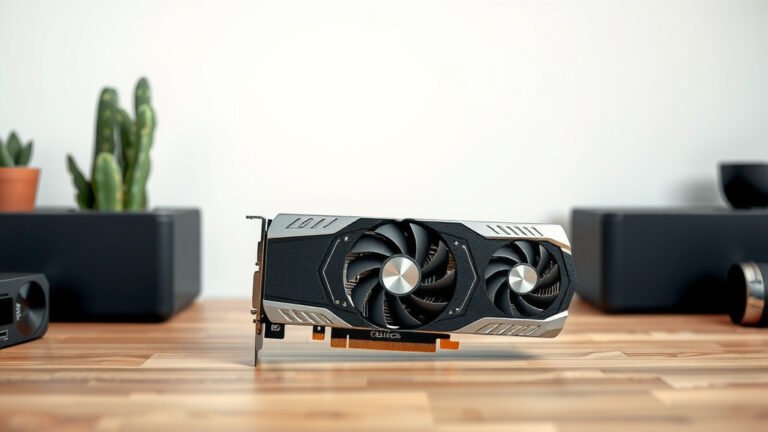
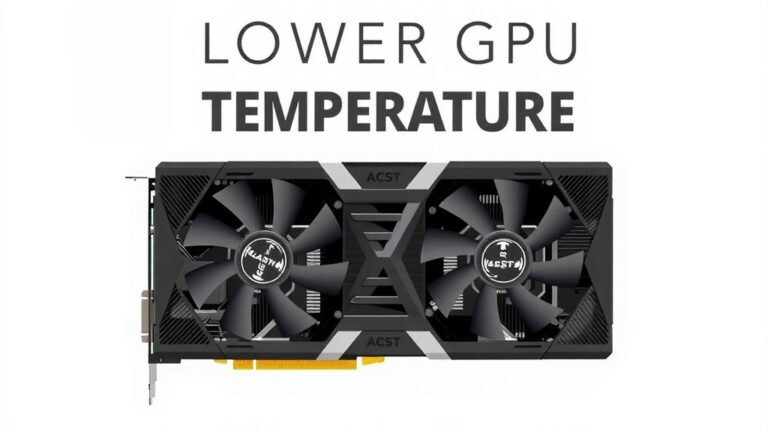
When you open your desktop computer’s case, look for the largest expansion card. This is almost always your graphics card. It will have its own fan or fans attached. You’ll also see ports on the back of your computer tower where you plug in your monitor cables. These ports are attached to the graphics card, not the motherboard itself.
Multiple Slots? Which One is It?
Motherboards have multiple PCIe slots. Graphics cards almost exclusively use the primary PCIe x16 slot. This is usually the one closest to the CPU. Sometimes, motherboards have two PCIe x16 slots for multi-GPU setups. If you only have one graphics card, it’s in the main x16 slot.
Checking Your Computer’s Specs
Can’t find it by looking? No worries! You can also check your computer’s specifications. This is especially helpful for pre-built systems or if your computer case is tricky to open. You can usually find this information online by searching for your computer’s model number.
Many manufacturers list the core components. This list will include the type of graphics card installed. Websites like the manufacturer’s support page are great resources. You can also use system information tools built into your operating system. These tools can often tell you what graphics card you have installed. You can use system information tools to check the graphics card installed.
Understanding Laptop Graphics Card Placement
Laptops are a different story. Space is much tighter in a laptop. Because of this, graphics cards in laptops are often handled differently.
Integrated vs. Dedicated Graphics
Laptops can have two types of graphics processing. The first is integrated graphics. This means the GPU is built directly into the same chip as your CPU. It shares system memory. This is common in many everyday laptops.
The second type is a dedicated graphics card. This is a separate chip on the motherboard. It has its own dedicated video memory (VRAM). This offers much better performance. You’ll find these in gaming laptops or high-performance workstations.
Where the GPU Resides
In most laptops, whether integrated or dedicated, the graphics processor is soldered directly onto the motherboard. It is not a component you can easily swap out. Unlike desktops, there are no plug-in slots for a separate graphics card.
So, you won’t find a large expansion card. You also won’t see its ports on the back of the laptop. The display ports on your laptop connect to the motherboard’s graphics output. The graphics chip is essentially a permanent part of the laptop’s main board.
Finding Your Laptop’s Graphics Card Model
Just like with desktops, you can check your specs. For Windows, you can use the DirectX Diagnostic Tool. Type “dxdiag” into the Windows search bar and press Enter. It will show you detailed system information, including your display adapter, which is your graphics card.
On macOS, you can click the Apple menu. Then select “About This Mac.” A window will pop up showing your hardware overview. It will list your graphics card under the “Graphics” section. This is the easiest way to know for sure.
Graphics Card: A Quick Comparison
Let’s quickly compare where you find graphics cards in different systems.
| Computer Type | Typical Graphics Card Location | Ease of Upgrade |
|---|---|---|
| Desktop PC | PCIe slot on the motherboard | Generally easy |
| Gaming Laptop | Soldered onto the motherboard (dedicated) | Rarely possible |
| Standard Laptop | Integrated with the CPU (on the motherboard) | Not possible |
A Simple Checklist to Find Your GPU
Ready to locate your graphics card? Use this quick checklist:
- For desktops, open the computer case.
- Look for the largest expansion card.
- It will have fans and monitor ports.
- For laptops, use system information tools.
- Check “Display Adapters” or “Graphics.”
- Remember, laptop GPUs are usually built-in.
Conclusion
So, you’ve learned where your computer’s graphics card lives! For desktops, it’s usually a prominent card in a PCIe slot on the motherboard. Just look for the biggest expansion card with its own fans and monitor ports. Laptops are different; their GPUs are typically integrated or soldered directly onto the motherboard. You won’t find a swap-out card there. Now that you know where to look, you can check your system’s specifications or even do a visual inspection. Knowing your GPU’s location is the first step to understanding your computer’s visual capabilities.
Frequently Asked Questions
Can I physically see my graphics card in a laptop?
Generally, no. Unlike desktop computers where the graphics card is a separate, plug-in component, laptop GPUs are usually soldered directly onto the motherboard. This means they are a permanent part of the laptop’s internal structure and not easily visible as a distinct card.
What if my desktop computer has multiple long PCIe slots?
Most graphics cards will use the primary PCIe x16 slot, which is typically the one closest to your CPU. If you have a single graphics card, it’s almost certainly in this main slot. Only high-end or specialized setups might use additional PCIe x16 slots for multiple GPUs.
How do I know if my laptop has integrated or dedicated graphics?
The easiest way is to check your system information. On Windows, type “dxdiag” into the search bar to open the DirectX Diagnostic Tool, which lists your display adapters. On macOS, go to “About This Mac” from the Apple menu, and your graphics card will be listed under the “Graphics” section.
Are the monitor ports on the back of my computer part of the graphics card?
Yes, for most desktop PCs, the ports where you plug in your monitor (like HDMI or DisplayPort) are connected to your graphics card, not directly to the motherboard. This is a key visual cue that helps you identify the card itself.
Can I upgrade the graphics card in my laptop?
Unfortunately, upgrading a graphics card in a laptop is rarely possible. Because laptop GPUs are typically integrated with the CPU or soldered directly onto the motherboard, they aren’t designed to be removed or replaced like in a desktop PC.

![10 Best 2d Video Card [2026]](https://spsolutionscare.com/wp-content/uploads/2026/08/10-best-2d-video-card-2026-featured-768x432.jpg)