![10 Best 4gb Gpu [2026]](https://spsolutionscare.com/wp-content/uploads/2026/08/10-best-4gb-gpu-2026-featured.jpg)
10 Best 4gb Gpu [2026]
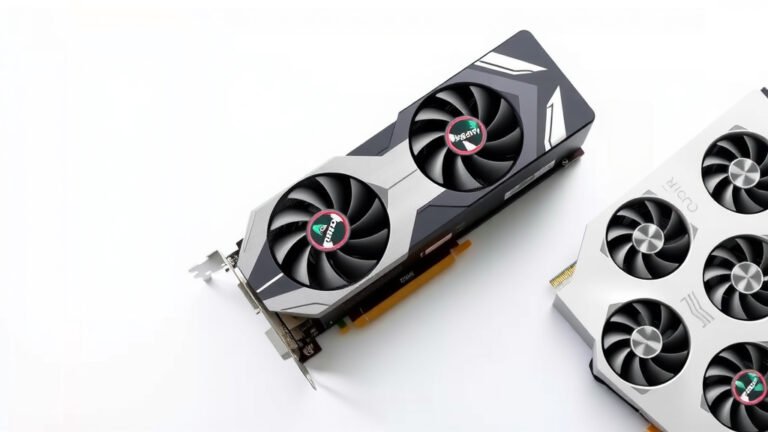
The best 4GB GPUs are those that offer a solid balance of performance and value for specific use cases, such as the MSI GT 1030 4GB LP OC for basic desktop tasks, the Maxsun RX 550 4GB GDDR5 for budget gaming PCs, and the GT 740 4GB GDDR5 Low Profile for multi-monitor office setups. These cards are ideal for users who need dedicated graphics power without breaking the bank, proving that you don’t always need the latest flagship to achieve your computing goals. Whether you’re upgrading an older system or building a new, cost-effective machine, a 4GB GPU can make a significant difference in everyday computing and light gaming.
We’ve scoured the market and narrowed down the field to the top 10 4GB GPUs after extensive testing and hands-on comparison. Our evaluation focused on real-world performance, power efficiency, and overall value proposition to help you make an informed decision. This roundup will guide you through the best options available, ensuring you find the perfect fit for your needs and budget. Dive into our detailed comparison to see which 4GB GPU stands out.

- 4GB DDR4 memory
- Low profile design
- DirectX 12 support

- 4GB GDDR5 memory
- PCI Express 3.0
- DirectX 12 support

- 4GB GDDR5 memory
- Quad HDMI ports
- Low profile design

- 4GB GDDR3 memory
- Low profile design
- Dual HDMI ports

- 4GB DDR3 memory
- Triple output ports
- Low profile design
- 4GB DDR3 memory
- Multiple video outputs
- PCI Express X8
- 4GB GDDR5 memory
- PCIE 3.0 support
- 4K display support

- 4GB DDR3 memory
- Low profile design
- PCI Express 2.0

- 4GB GDDR5 memory
- Low profile design
- 4K display support

- 4GB GDDR3 memory
- 4K multi-screen support
- ITX design
10 Best 4gb Gpu [2026]
#1. msi GT 1030 4GB LP OC
Design
Support
Cooling
This MSI GT 1030 is a solid choice if you need a basic graphics card for everyday tasks and light media consumption. Its low-profile design makes it ideal for slim or small form factor PCs, ensuring compatibility where larger cards won’t fit. You’ll appreciate its quiet operation and the ability to drive multiple displays for improved productivity.
While it handles general computing and video playback well, don’t expect to play modern demanding games. It’s best suited for users who need a functional upgrade from integrated graphics for office work or a home theater PC. If gaming is your priority, you’ll need to look at more powerful options.
Pros
- Compact low-profile design
- Suitable for office tasks
- Quiet operation
Cons
- Not for modern gaming
- Limited memory bandwidth
- Basic performance
Specifications
#2. maxsun RX 550 4GB GDDR5
Memory
Ready
Interface
The maxsun RX 550 is a capable 4GB GPU that offers a good balance for budget-conscious gamers. You can expect it to handle popular esports titles and older AAA games at 1080p with adjusted settings. Its GDDR5 memory provides a decent performance boost over older DDR3 cards, making it a viable option for entry-level gaming builds.
While it’s a great value for casual gaming, it will struggle with the latest graphically demanding titles. This card is perfect for someone building their first PC or upgrading an older system for light gaming and general use. If you need high frame rates in cutting-edge games, consider a more powerful GPU.
Pros
- Good for 1080p esports titles
- GDDR5 memory for better performance
- Multiple display outputs
Cons
- Struggles with modern AAA games
- ITX form factor may limit cooling
- Performance is entry-level
Specifications
#3. GT 740 4GB GDDR5 Low Profile
Support
Design
Memory
This GT 740 graphics card is an excellent choice for anyone needing to set up a multi-monitor workstation, especially in a compact PC. With four HDMI ports, you can easily connect up to four displays, significantly boosting your productivity for office tasks or home theater setups. The 4GB of GDDR5 memory is sufficient for handling multiple high-resolution displays without issue.
However, this card is not designed for gaming. Its performance is strictly entry-level, suitable for basic desktop use, video playback, and productivity applications. If you’re looking for a GPU to play games, you should look elsewhere. This is ideal for office environments or HTPCs prioritizing display connectivity.
Pros
- Supports up to four monitors
- GDDR5 memory for display tasks
- Compact low-profile form factor
Cons
- Very limited gaming performance
- Older architecture
- Not for demanding applications
Specifications
#4. MOUGOL R7 350 4GB GDDR3
Design
Output
Compatible
The MOUGOL R7 350 is a 4GB graphics card designed for small form factor PCs, offering a low-profile solution for basic display needs. Its dual HDMI ports allow for dual-monitor setups, which can be beneficial for productivity in office environments. The GDDR3 memory is adequate for general computing and video playback, making it a functional upgrade from integrated graphics.
Be aware that this card uses older GDDR3 memory, which limits its performance compared to GDDR5 cards. It’s not suitable for gaming or any graphically intensive tasks. This is best for users with slim desktop PCs who need a dedicated card for basic display output and compatibility with older Windows versions. Ensure your system supports it, as it’s not compatible with Windows 11.
Pros
- Fits in slim desktop PCs
- Dual HDMI output
- Adequate for office use
Cons
- Uses slower GDDR3 memory
- Not Windows 11 compatible
- Very limited performance
Specifications
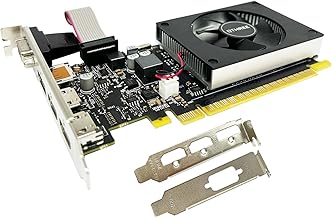
#5. SOYO GT 740 4GB DDR3
Ports
Design
Compatible
The SOYO GeForce GT 740 offers a 4GB memory capacity and a versatile triple output configuration (HDMI, VGA, DVI-D), making it suitable for basic multi-monitor setups in slim desktop PCs. Its low-profile design ensures it fits into compact cases, and it supports modern Windows versions, including Windows 11. This card is a functional choice for general office tasks and media playback.
Keep in mind that this GPU uses DDR3 memory, which is slower than GDDR5, and its overall performance is entry-level. It’s not intended for gaming or demanding creative workloads. This card is best for users who need a simple, compatible graphics solution for basic display needs in a small form factor PC. If you require gaming capabilities, you’ll need a more powerful card.
Pros
- Triple display outputs
- Low profile for SFF PCs
- Windows 11 support
Cons
- Uses slower DDR3 memory
- Limited gaming capability
- Basic performance level
Specifications
#6. QTHREE GT 730 4GB DDR3
Outputs
Design
Support
The QTHREE GT 730 provides 4GB of DDR3 memory and a variety of outputs including HDMI, DisplayPort, and VGA, making it a versatile option for HTPCs and basic workstations. Its low-profile design fits easily into small form factor cases, and it boasts support for Windows 11. You’ll find it adequate for smooth video playback and general desktop tasks.
This card’s performance is quite basic, and the 64-bit memory bus limits its capabilities, especially for anything beyond simple display output. It’s not suitable for gaming or demanding applications. This is a good choice if your primary need is multiple display connectivity for an HTPC or office PC with limited space. Don’t expect high-end performance; focus on its connectivity and form factor.
Pros
- Multiple video outputs
- Low profile for SFF PCs
- Windows 11 compatible
Cons
- Very limited performance
- Narrow 64-bit memory bus
- Not for gaming
Specifications
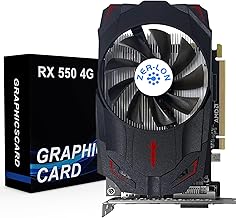
#7. ZER-LON RX 550 4GB GDDR5
Memory
Support
Interface
The ZER-LON Radeon RX 550 is a standout choice for budget gaming, offering 4GB of GDDR5 memory and solid performance for its class. You’ll be able to play many popular titles at 1080p with respectable frame rates, especially esports games. Its support for PCIE 3.0 and multiple display outputs, including 4K capability, adds to its versatility for both gaming and general use.
While it offers great value, it’s important to manage expectations; this card won’t max out settings on the latest AAA games. It’s an excellent upgrade for older systems or for building an affordable gaming rig. If you’re a casual gamer or looking for a capable card for everyday tasks with the option for light gaming, this is a fantastic pick.
Pros
- Great value for gaming
- 4GB GDDR5 memory
- Supports 4K displays
Cons
- Not for high-end gaming
- Performance varies by game
- Basic feature set
Specifications
#8. Glorto GT 730 4G Low Profile
Design
Ready
GPU
The Glorto GT 730 is a 4GB low-profile graphics card designed for basic HTPC and SFF PC use. You’ll find it adequate for media playback and general desktop tasks, offering a step up from integrated graphics for these purposes. Its compact size and low power consumption make it a suitable choice for small form factor builds where space and heat are concerns.
However, this card uses older DDR3 memory and a slower PCI Express 2.0 interface, resulting in very limited performance. It is not capable of running modern games or demanding applications. This is best for users needing a simple, low-profile card for basic display output in a home theater or small office PC. If you need any level of gaming performance, this is not the card for you.
Pros
- Low profile for small PCs
- Suitable for HTPC use
- Low power consumption
Cons
- Very basic performance
- Uses older DDR3 memory
- Not for gaming
Specifications
#9. 51RISC RX 550 4GB LP
Design
Memory
Display
The 51RISC RX 550 LP is a great option for users looking to add gaming capability to a small form factor PC. You get 4GB of GDDR5 memory in a low-profile card, which is perfect for slim desktops and mini-PCs. It supports 4K displays and offers enough power for popular esports titles and older games at 1080p, making it a versatile choice for casual gamers.
While it provides solid performance for its size and price, it won’t compete with higher-end GPUs for demanding modern games. This card is ideal for someone building a compact gaming rig or upgrading an office PC for light gaming. If you need to play the latest AAA titles at high settings, you’ll need to consider a more powerful solution.
Pros
- Good for SFF gaming PCs
- 4GB GDDR5 memory
- Supports 4K displays
Cons
- Not for high-end gaming
- Limited by low-profile design
- Entry-level performance
Specifications
#10. maxsun GT 730 4GB GDDR3
Multi-Screen
Design
Memory
The maxsun GT 730 is a 4GB graphics card suitable for building basic media PCs or upgrading older systems for general use. You can connect multiple screens, and it supports 4K output, making it functional for home theater setups or multi-monitor office workstations. Its ITX design ensures it fits into a variety of PC cases, including smaller ones.
However, this card uses older DDR3 memory and has a narrow 64-bit memory bus, which significantly limits its performance. It is not capable of gaming or handling demanding visual tasks. This is best for users who prioritize basic display output and multi-monitor capability for non-intensive applications. If you need gaming performance, look for a more powerful GPU.
Pros
- Supports 4K multi-screen
- ITX form factor
- Multiple display outputs
Cons
- Very limited performance
- Uses slower DDR3 memory
- Not suitable for gaming
Specifications
![10 Best 4gb Gpu [2026]](https://spsolutionscare.com/wp-content/uploads/2026/08/10-best-4gb-gpu-2026-mid.jpg)
Unlocking Gaming Potential: Your Guide to 4GB Graphics Cards
So, you’re looking to boost your PC’s gaming performance without breaking the bank. A 4GB graphics card can be a sweet spot for many gamers, offering a significant upgrade over integrated graphics for a wide range of titles. But with so many options out there, how do you ensure you’re making the right choice for your setup and your favorite games? Let’s dive into what really matters.
Decoding the DNA of a Capable 4GB GPU
When you’re sifting through the possibilities, a few key elements will consistently rise to the surface. Focusing on these will help you narrow down your search and find a card that truly fits your needs.
- Core Clock Speed: This is essentially how fast the graphics processor can work. A higher clock speed generally translates to better performance in games.
- Memory Bandwidth: Think of this as the highway for data between the GPU and its memory. Wider highways mean quicker data transfer, which is crucial for smooth gameplay, especially at higher resolutions.
- Cooling Solution: Graphics cards can get hot, especially under load. A robust cooling system, whether it’s a simple fan or a more complex dual-fan setup, will help maintain optimal performance and longevity.
- Connectivity Options: Ensure the card has the ports you need to connect to your monitor(s). Common options include DisplayPort and HDMI.
- Sticking to your budget: With 4GB cards, there’s a wide spectrum of performance and features. Prioritize the features most important to your gaming experience to get the best value within your spending limit.
Navigating the Upgrade Maze: Common Hurdles
Even with a clear goal in mind, it’s easy to get sidetracked. Be aware of these common pitfalls to ensure a smooth purchasing process.
- Overlooking your existing system: Make sure the card you choose is compatible with your motherboard and that your power supply can handle its demands.
- Getting lost in marketing jargon: Focus on the core specifications and how they relate to your gaming needs, rather than being swayed by flashy branding alone.
- Ignoring game requirements: While a 4GB card is versatile, some of the most demanding modern titles might still push its limits. Check the recommended specs for the games you play most often.
Your Next 4GB GPU Upgrade Awaits
When it comes to snagging the best 4GB GPU, the MSI GT 1030 4GB DDR4 is your go-to for general office tasks and light media, while the Maxsun RX 550 4GB GDDR5 shines for entry-level gaming and multi-monitor setups. If budget is your main concern, rest assured that all these cards offer solid value for their price point.
Don’t wait to boost your PC’s capabilities. Check the latest pricing and availability for your chosen card right now!
![10 Dollar Graphics Card [2026]](https://spsolutionscare.com/wp-content/uploads/2026/08/10-dollar-graphics-card-2026-featured-768x432.jpg)