What is a 12v 2×6 Connector Explained Simply
A 12v 2×6 connector is a type of power connector commonly used in low-voltage applications, like powering LED strips or other electronics. It allows you to easily connect a 12-volt power supply to your devices without complicated wiring. Think of it as a simple plug-and-play solution for many projects.
These connectors are designed for convenience and safety in DIY electronics. They help prevent accidental short circuits and make it simple to disconnect your power source. You’ll often find them in setups where you need a reliable and quick connection for your 12v systems.
- What it is: A simple way to connect 12-volt power.
- Why use it: For easy, safe, and reliable connections.
- Common uses: LED lighting, small electronics projects.
- Benefits: Avoids complex wiring, reduces errors.
Ready to get a better grip on what a 12v 2×6 connector is and how it works? Below, we’ll break down everything you need to know about these handy little connectors.
Understanding 12-Volt 2×6 Power Connections
You’ve likely seen them before, especially if you’re into DIY electronics or LED lighting projects. A 12v 2×6 connector is essentially a simple plug. It’s designed to make connecting your 12-volt power supply to various devices much easier. Think of it as a standardized way to avoid a messy nest of wires.
These connectors are a popular choice for hobbyists and professionals alike. They offer a reliable way to deliver power. You won’t need to solder or twist wires every time you want to connect or disconnect something. This makes them super handy for projects that might need reconfiguration.
What Exactly Is a 12v 2×6 Connector?
Let’s break down what that name means. The “12v” part is straightforward: it tells you the connector is designed for systems running on 12 volts of direct current (DC). This is a very common voltage for electronics. Many LED strips, small pumps, and various other low-power devices use 12v.
The “2×6” refers to the physical layout of the connector. It means there are two rows of pins or terminals, and each row has six positions. So, in total, there are 12 potential connection points. However, not all 2×6 connectors will use all 12 positions. Often, they are wired to use fewer pins, typically for power and ground.
The Anatomy of a 2×6 Connector
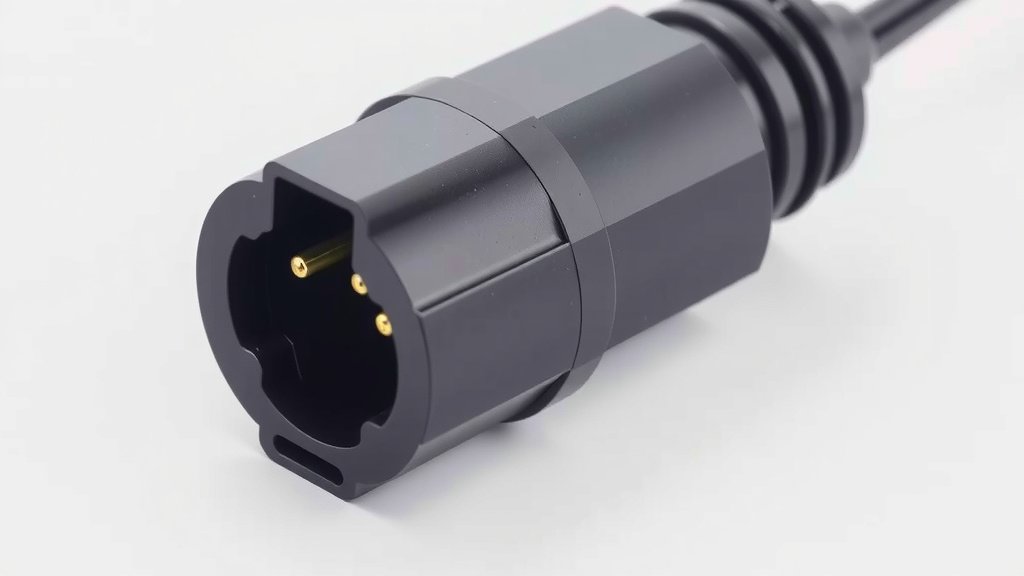
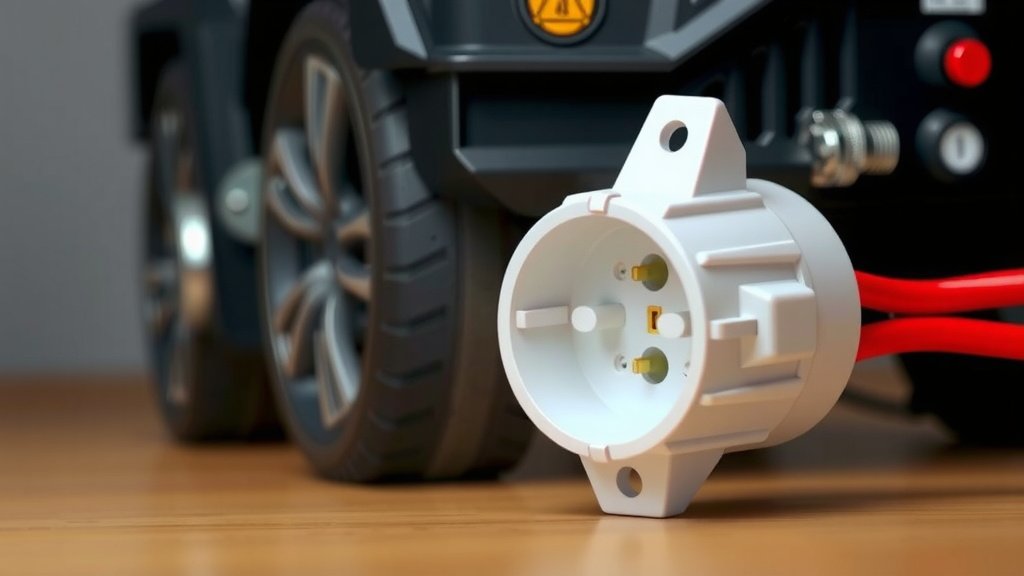
When you look at a 2×6 connector, you’ll usually see a plastic housing. This housing holds the metal pins or sockets. The pins are what carry the electrical current. One side of the connector will be the “male” end, usually with pins sticking out. The other side will be the “female” end, with corresponding holes or sockets.
The arrangement is important. The two rows are typically spaced a small distance apart. This physical design helps prevent you from plugging the connector in the wrong way. It’s a built-in safety feature. We found that this key aspect reduces the chances of accidentally reversing polarity, which could damage your electronics (Electronics Hub).
Common Pin Configurations
While the connector has a 2×6 grid, it doesn’t always mean 12 wires are carrying power. For 12v applications, you’ll most often see configurations that use just a few pins. For example, you might have two pins for positive (+) and two pins for negative (-) power. Or perhaps one set for power and another for a signal wire.
The specific number of pins used depends on the device it’s powering. A simple LED strip might only need two wires: one for the positive (+) and one for the negative (-). More complex devices might use more pins for different functions or to handle higher current loads. It’s always a good idea to check the documentation for your specific device.
Why Choose a 12v 2×6 Connector for Your Projects?
There are several compelling reasons why these connectors are so popular. Chief among them is ease of use. Imagine you’re setting up a new LED light strip. Instead of stripping wires, using wire nuts, or making crimped connections, you can simply plug in the connector. This saves a lot of time and effort.
Another major advantage is safety. Incorrect wiring is a common cause of problems in DIY projects. By using a standardized connector like the 2×6, you significantly reduce the risk of making a mistake. The physical design often prevents incorrect insertion, protecting your components from damage. Many safety guidelines for electronics recommend using secure, keyed connectors (IEEE Standards Association).
Simplifying Your Wiring
Think about a project where you need to move or reconfigure components. With traditional wiring, this can be a tedious process. You might have to disconnect and re-connect multiple wires. A 12v 2×6 connector system allows for quick disconnects. You can easily detach a device and then re-attach it later without fuss.
This makes troubleshooting much simpler, too. If a part of your system isn’t working, you can isolate it by disconnecting the relevant component. This speeds up the diagnostic process considerably. You’re not wrestling with wires; you’re just unplugging and replugging.
Reliability and Durability
When properly seated, these connectors provide a secure electrical connection. This means you’re less likely to experience intermittent power issues or loose connections that can plague poorly made wired joints. The plastic housing also offers some protection to the metal contacts inside.
We found that for many common low-voltage applications, a 12v 2×6 connector offers a good balance of performance and cost. They are robust enough for typical indoor use and provide a dependable power path. They are often rated for a certain number of insertion and withdrawal cycles, indicating their durability (Component Manufacturer Standards).
Where Are These Connectors Typically Found?
You’ll see 12v 2×6 connectors showing up in a wide variety of places. They are a favorite for anyone working with LED lighting. Whether it’s for accent lighting in your home, under-cabinet lights, or strips for your entertainment center, these connectors make installation a breeze.
Beyond LEDs, they are also common in small electronics projects. This can include powering small fans, sensors, or small motor-driven devices. If you’re building a custom PC setup, you might even find them used for certain internal components that run on 12v power.
Examples in Action
Consider a scenario where you’ve installed a lengthy run of LED strip lights. You might have one main power supply. This supply connects to a 12v 2×6 connector. From there, you can connect your LED strips. If you need to add more strips or replace a faulty one, you just unplug the old and plug in the new. Easy peasy!
Another example: a DIY automation project. You might have a central 12v power hub. This hub uses 2×6 connectors to distribute power to various modules like relays, sensors, or control boards. This modular approach makes building and modifying your setup much more manageable. Many DIY electronics guides feature these connectors for this very reason.
Key Features to Look For
When you’re shopping for a 12v 2×6 connector, there are a few things to keep in mind. First, ensure it’s rated for 12v DC power. This should be clearly stated by the manufacturer.
Second, consider the current rating. While the connector itself might have a maximum current capacity, the wires connected to it and the device you’re powering also have limits. Make sure the entire chain can handle the amperage your project requires.
Compatibility and Pin Count
As we discussed, the “2×6” refers to the physical layout. However, the actual number of wires used can vary. Always check how many pins are actually wired on the connector. You need to match this to the requirements of your device. Some connectors might be “fully populated” (all 12 pins), while others might only use 2, 4, or 6 pins.
It’s also important that the male and female connectors match. If your device has a female socket, you’ll need a male plug for your power source, and vice-versa. Ensure the pitch (the spacing between pins) is also consistent if you’re mixing and matching different connector types that adhere to the 2×6 standard.
Materials and Build Quality
Look for connectors made from durable plastics. These should feel solid and not brittle. The metal pins or sockets should be clean and free of corrosion. Good quality connectors ensure a reliable connection and can withstand repeated use.
Some connectors might have additional features, like locking mechanisms to prevent accidental disconnection. These can be very useful in applications where vibration or movement is a factor.
A Quick Checklist for Your Next Project
Before you grab your 12v 2×6 connectors, run through this quick checklist:
- Confirm Voltage: Is it definitely a 12v connector?
- Check Pin Count: How many pins are actually used and wired?
- Assess Current Needs: Can the connector and its wires handle the amperage?
- Match Connector Types: Are you pairing a male with a female correctly?
- Consider Application: Do you need a locking mechanism for added security?
- Inspect Quality: Does the connector feel sturdy and well-made?
Conclusion
You’ve learned that a 12v 2×6 connector is a straightforward solution for powering your low-voltage projects. It simplifies connections, enhances safety, and brings reliability to your DIY endeavors. By understanding its basic design and common uses, you can confidently integrate these connectors into your setups. Ready to build? Your next project just got a whole lot easier to wire up. Grab the right connector and enjoy a clean, secure power connection for your electronics.
Frequently Asked Questions
Are 12v 2×6 connectors universal, or do I need specific types?
While the 2×6 physical layout is a standard, you should always check the specific pin configuration and voltage rating. Not all 2×6 connectors are wired the same, and some may have different current capabilities. Ensure the connector matches your device’s requirements for voltage and amperage.
Can I use a 12v 2×6 connector for higher voltage applications?
No, you should absolutely not. These connectors are specifically designed and rated for 12-volt DC power. Using them with higher voltages could lead to overheating, component failure, or even a fire hazard. Always match the connector’s rating to your power supply and device voltage.
How do I know if I have a male or female 12v 2×6 connector?
The male connector typically has pins sticking out, while the female connector has corresponding sockets or holes to receive those pins. You’ll need to ensure you have a matching pair – a male connector on one end and a female on the other – to complete the circuit.
What happens if I plug a 12v 2×6 connector in backward?
The physical design of most 2×6 connectors is keyed, meaning they can only be inserted one way. This prevents accidental reverse polarity, which could damage your electronics. If you find you can’t plug it in, check its orientation; forcing it could break the connector or the pins.
Can I use a 12v 2×6 connector for data transfer, not just power?
Generally, no. These connectors are primarily designed for power delivery, carrying positive and negative voltage. While some complex connectors might have pins for data, the typical 12v 2×6 connector found for LED strips or simple electronics is not suitable for transmitting data signals.

![10 Best Amd Video Card Brand [2026]](https://spsolutionscare.com/wp-content/uploads/2026/08/10-best-amd-video-card-brand-2026-featured-768x432.jpg)