Used Mining GPU Explained: What You Need to Know
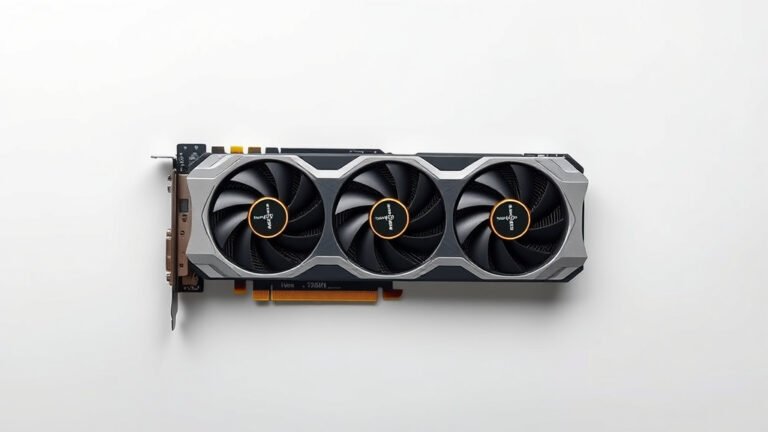
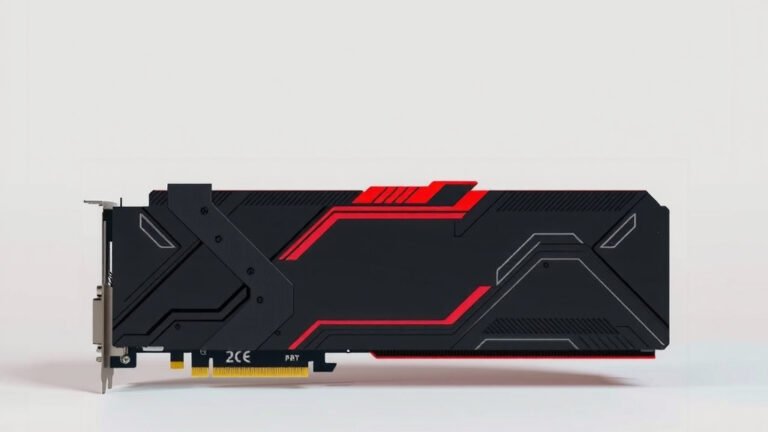
A used mining GPU is a graphics card that was previously used for cryptocurrency mining. These cards spent their lives crunching numbers for digital currency. They are often sold at a lower price point than new cards. You can find them on online marketplaces and in specialty stores. Understanding what a used mining GPU is helps you make a smart purchase.
Cryptocurrency mining requires powerful hardware. GPUs are excellent for this task. Mining can put a lot of stress on a GPU. This means a used mining card might have seen heavy use. However, many miners maintained their equipment well. You can still find good deals on these cards.
- A used mining GPU was used for crypto mining.
- They are often cheaper than new graphics cards.
- Mining can be hard on GPUs, so check their condition.
- Many were well-maintained and can be a good buy.
- Research is key before purchasing one.
Ready to learn more? Below, we’ll break down what you need to know about buying and using a used mining GPU so you can make an informed decision.
Understanding Previously Used Mining GPUs
So, you’re thinking about grabbing a graphics card that’s done some crypto mining. That’s a smart way to potentially snag a good deal. But what exactly does “used mining GPU” mean for you? Simply put, it’s a graphics card that spent its operational life dedicated to mining digital currencies. Think of it like buying a car that was used for deliveries versus one that was a weekend joyride car. It’s seen a lot of action, but that doesn’t automatically mean it’s a bad buy.
These cards were chosen for their power and efficiency in processing complex calculations. Mining involves solving very difficult math problems. The more powerful the GPU, the faster it can solve these problems. This means more cryptocurrency earned. Because of this constant work, they often run 24/7 under heavy load. This is the main difference from a card used for gaming or general computer tasks. You’ll want to understand this difference as you look at your options.
How Crypto Mining Stresses a GPU
Imagine a marathon runner. They train hard and their body gets put to the test. A GPU used for mining is a bit like that runner. It’s constantly “running” or processing data. This constant activity means the GPU is always at a high workload. Think of it as pushing the gas pedal down all the time.
Constant High Temperatures
When a GPU is mining, its fans are often spinning at their maximum speed. This generates a lot of heat. While many mining rigs have good cooling setups, sustained high temperatures can put wear on components. Think about how your car engine feels after a long drive in hot weather. It’s worked hard. We found that consistent high heat is one of the main concerns with these cards.
24/7 Operation
Unlike a typical gaming PC that might be used for a few hours a day, mining operations run non-stop. This means the GPU is powered on and working for 24 hours a day, 7 days a week. Over months or years, this adds up to a lot of operational hours. This prolonged use is different from a card that sits idle much of the time.
Dust and Airflow Concerns
Mining rigs are often set up in places where dust can accumulate. If the cards aren’t cleaned regularly, dust can clog fans and heatsinks. This further reduces airflow and can increase temperatures. It’s like trying to breathe through a dusty mask. Good airflow is essential for keeping components cool and running smoothly. We found that dust buildup is a common issue that affects performance.
Why Miners Sell Their GPUs
There are several reasons why a miner might decide to sell their hardware. Understanding these can help you gauge the situation. It’s not always because the card is failing. Sometimes, it’s just a change in the market or their strategy.
Market Fluctuations
The world of cryptocurrency is known for its ups and downs. When the price of a digital currency drops, mining might become less profitable. Miners might sell their equipment to cut their losses or to switch to more profitable ventures. It’s a business decision, like any other. This is a very common reason for GPUs to come onto the used market.
Upgrading Hardware
Just like gamers want the latest and greatest graphics for their setups, miners also upgrade. As new, more efficient mining hardware becomes available, miners might sell their older cards. They might do this to fund the purchase of newer, more powerful GPUs. It’s similar to trading in an old phone for a new model.
Changing Mining Strategies
Sometimes, miners might shift from mining one type of cryptocurrency to another. Certain cryptocurrencies are more efficient to mine with different types of hardware. They might sell off cards that are no longer optimal for their current strategy. This doesn’t mean the card is bad, just that it’s not the best tool for their current job.
What to Look For When Buying a Used Mining GPU
You’re looking for a good deal, and a used mining GPU can be just that. But you need to be a smart shopper. It’s like picking out produce at the farmer’s market; you want the freshest, best-looking items. Here’s what we found to be important to check.
Seller Reputation and History
Start by looking at the seller. Are they a reputable dealer with good reviews? Or are they a private seller with a long transaction history? A seller with a proven track record can give you more peace of mind. Check feedback, ratings, and any comments from previous buyers. This helps avoid potential problems down the road.
Physical Condition of the Card
Ask for clear, detailed photos and videos of the card. Look for any signs of damage, corrosion, or excessive dust. Check if the fans look worn or if there are any cracks. A clean card that appears well-maintained is a good sign. We found that a seller willing to provide lots of clear pictures is often more trustworthy.
Testing and Benchmarking
Did the seller test the card? Do they have any benchmark results? Ideally, you want a card that has been stress-tested. This means running it at high loads for an extended period to ensure it performs as expected. Some sellers might provide these results. If not, ask if they can run a quick test for you. This is a critical step.
Warranty or Return Policy
Does the seller offer any kind of warranty or return policy? Even a short one can be a lifesaver. If the card fails shortly after you receive it, a return policy means you can get your money back. This is especially important if you can’t test the card thoroughly yourself before buying. Many experts advise looking for at least a 30-day return window.
Potential Risks and How to Mitigate Them
It’s wise to be aware of the risks involved. Buying anything used carries some uncertainty. But with a little caution, you can significantly reduce your chances of getting a dud.
Risk: Premature Failure
Because mining GPUs run hard, there’s a chance they might fail sooner than a lightly used card. It’s like a tool that’s been used for a demanding job. Mitigation: Look for cards that were part of rigs with good cooling and maintenance. Also, check seller reviews and return policies.
Risk: Reduced Lifespan
Even if it works now, the intense use might have shortened its overall lifespan. Think of it as having fewer “miles” left on the odometer. Mitigation: Negotiate a lower price to account for this. Consider it an investment with a potentially shorter but still useful life.
Risk: Cosmetic Damage
Some cards might have minor cosmetic issues from being in a mining rig. This could be anything from slightly bent brackets to fan covers with scuffs. Mitigation: Focus on performance and functionality over perfect looks. If the price is right, minor cosmetic flaws are often a fair trade-off.
Here’s a quick checklist to help you remember what to focus on:
- Check seller reviews and history thoroughly.
- Request detailed photos and videos of the GPU.
- Ask about testing, benchmarking, and performance.
- Verify any warranty or return options.
- Assess the physical condition for signs of neglect.
- Compare prices to gauge fair market value.
Conclusion
Buying a used mining GPU can be a smart way to get powerful hardware for less. You’ve learned that these cards work hard, often running 24/7. This means checking their condition and the seller’s reputation is super important. By understanding the potential risks like high temperatures and dust, and knowing what to look for, you can find a great deal. Your next step is to apply this knowledge. Start by researching sellers and asking detailed questions about the card’s history. Do your homework, and you can score a reliable GPU for your setup.
Frequently Asked Questions
Can a used mining GPU still be good for gaming?
Yes, many used mining GPUs are perfectly capable of gaming. The processing power needed for mining is similar to what games require. You’ll want to ensure the card wasn’t overheated excessively and that it passes gaming benchmarks. A well-maintained mining card can offer excellent gaming performance for the price.
How can I tell if a used mining GPU has been damaged?
Look for signs of physical damage like bent pins, cracked fan blades, or corrosion on the circuit board. Ask the seller for clear photos and videos, and inquire about the mining environment (e.g., good airflow, dust filters). Testing the card with demanding games or benchmark software is the best way to confirm it functions correctly.
Are used mining GPUs more likely to break down quickly?
While they have seen heavy use, not all used mining GPUs will break down quickly. Miners often replaced thermal paste and ensured good cooling. If a card was run within reasonable temperature limits and maintained properly, it can still have a long life. Reduced lifespan is a risk, but it can be mitigated by choosing wisely and negotiating the price.
Should I worry about the age of a used mining GPU?
Age can be a factor, but usage hours are often more critical for GPUs. A card that’s a few years old but was only used for a few hours a week might be in better shape than a newer card used 24/7 for mining. Focus on the card’s operational history and condition rather than just its manufacturing date.
What’s the biggest mistake to avoid when buying a used mining GPU?
The biggest mistake is buying without due diligence. This means not checking the seller’s reputation, not asking for proof of testing or performance metrics, and not understanding the card’s potential history. Always prioritize transparency from the seller and have a return policy in place if possible to protect your purchase.