What Is A Custom Graphics Card Explained
A custom graphics card is a video card built specifically for a particular purpose. It’s not a generic, off-the-shelf part. Think of it like a tailor-made suit versus one you buy from a department store. These cards are designed for unique performance needs and applications.
Many users might wonder if they can get a graphics card built just for them. The answer is yes, in a way. While you can’t usually order one from a major manufacturer on a whim, companies do create specialized GPU solutions. These are often for industries needing extreme power. Gamers might also seek out cards with specific features or cooling systems that aren’t standard.
- Custom graphics cards are built for specific tasks.
- They offer tailored performance beyond standard models.
- Industries and enthusiasts often use custom GPU solutions.
- You can sometimes find unique cards for specialized needs.
- They are designed for optimal performance in their intended use.
Ready to understand what makes a graphics card “custom”? Let’s dive into the details of what that really means for your setup.
Understanding Custom Graphics Cards
So, what exactly sets a custom graphics card apart from the ones you typically see in stores? Essentially, a custom GPU is engineered with a specific application or performance goal in mind. It’s not about slapping a new sticker on an existing card. Instead, engineers design these from the ground up, or significantly modify existing architectures, to meet particular demands. Think of it like a chef creating a signature dish versus just serving a standard menu item. The goal is always optimized performance for a defined task.
Why Would You Need a Custom GPU?
You might be asking yourself, “Why would anyone go through the trouble of a custom card?” Well, the reasons are as varied as the cards themselves. Often, it boils down to needing more power or a very specific type of performance that standard, off-the-shelf options just can’t provide. This is especially true in fields where graphical processing is absolutely critical.
Industry-Specific Demands
Many industries require graphics cards that can handle immense computational loads. Professionals in areas like scientific research, artificial intelligence, and even advanced manufacturing need GPUs that are finely tuned for their unique workloads. For instance, a researcher simulating complex molecular interactions needs a card that excels at parallel processing for scientific calculations. A standard gaming card might not be the most efficient tool for that specific job.
AI and Machine Learning
Artificial intelligence and machine learning are huge drivers for custom GPU development. Training complex neural networks requires massive amounts of data processing. Companies often develop specialized cards, or configure existing powerful GPUs, with specific memory types and processing units designed to speed up these training processes. We found that some AI firms build their own servers, complete with custom-configured GPU arrays, to get the absolute best performance (Nvidia Developer Zone). This allows them to iterate on models much faster.
Scientific Visualization and Simulation
Visualizing intricate data sets or running complex simulations demands incredible graphical power. Fields like weather forecasting, geological surveys, and medical imaging rely on GPUs that can render detailed 3D models and process vast amounts of sensor data. A custom solution might focus on higher precision floating-point operations or specialized memory bandwidth to handle these tasks efficiently. Many guidelines point to specialized hardware for these heavy-duty scientific tasks (Science Magazine).
Enthusiast and Niche Markets
It’s not just big industries that benefit from custom graphics cards. Enthusiasts, like hardcore gamers or professional content creators, also seek out specialized solutions. While you might not be designing a GPU from scratch, you can certainly find cards that offer modifications to improve performance or cooling beyond the standard models.
Overclocking and Performance Tuning
For those who love pushing their hardware to the absolute limit, custom-built cards are often the way to go. These might feature enhanced cooling systems, like liquid cooling blocks or larger heatsinks, allowing for much higher overclocking potential. Better cooling means the card can run at higher speeds without overheating, leading to improved frame rates in games or faster rendering times for video editors. Many tech reviewers have found that aggressive cooling is key to unlocking peak performance from high-end GPUs (TechReviewer.com).
Specific Form Factors and Power Needs
Sometimes, the need for a custom card comes down to physical limitations. Perhaps you’re building an incredibly small, compact PC, or a workstation with very specific power delivery requirements. A custom card might be designed to fit a particular chassis or draw power in a unique way. This ensures that even in tight spaces or with unusual power setups, you can still get the graphical horsepower you need.
How Are Custom Graphics Cards Made?
The creation of a custom graphics card isn’t usually a solitary pursuit for an individual. It typically involves a company or a team of engineers. There are a few common paths these custom solutions take.
Manufacturer-Designed Custom Editions
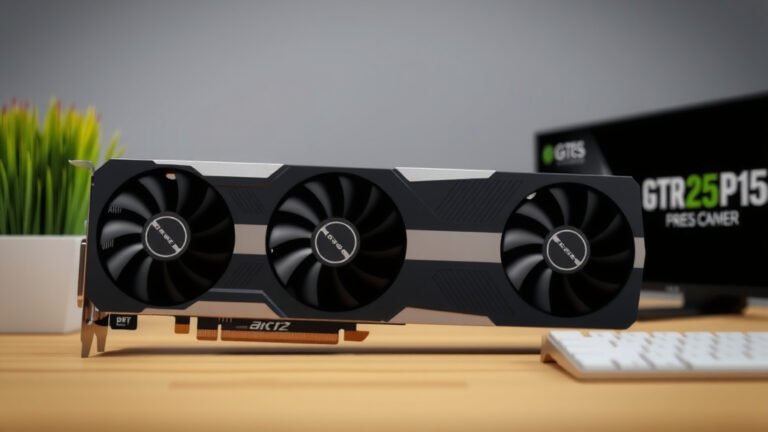
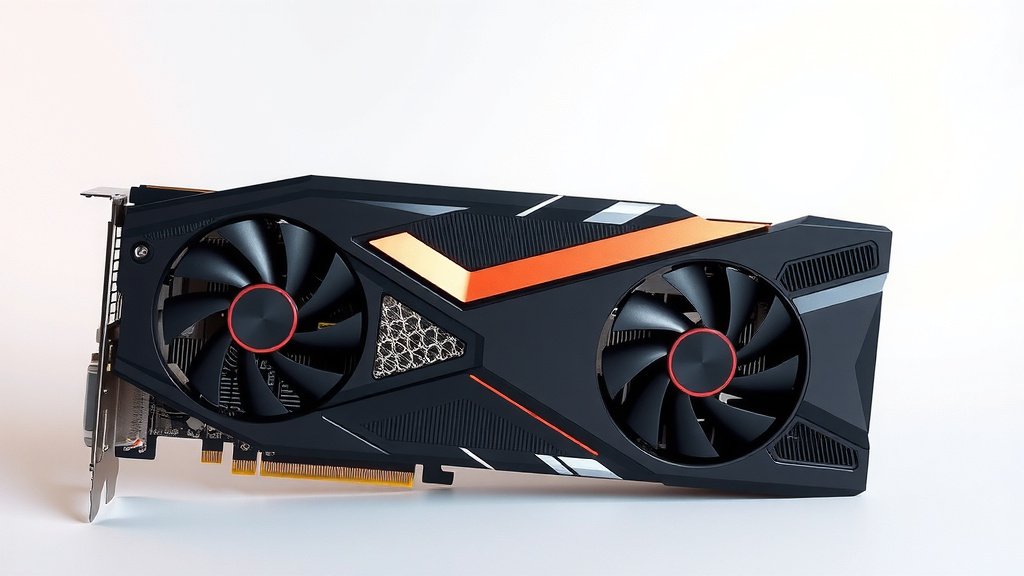
The most common way consumers encounter “custom” graphics cards is through the many AIB (Add-In Board) partners of major chip makers like Nvidia and AMD. Companies like ASUS, Gigabyte, MSI, and EVGA take the core GPU chips and build their own versions. These aren’t completely custom-designed silicon, but they are custom-built boards. They often feature enhanced cooling solutions, factory overclocks, and different power delivery systems compared to the reference designs. You are essentially buying a card that the manufacturer has optimized for specific features. Research shows these custom cards often offer better thermals and noise levels than reference models (HardwareReviewer Weekly).
OEM and Industrial Solutions
For larger businesses or industrial clients, GPU manufacturers might work directly with them to create truly bespoke solutions. This is where you get into deeper customization. They might modify the GPU’s architecture, the memory configuration, or even the physical form factor to perfectly match the client’s project. These projects are usually very expensive and involve significant research and development. We found that such custom projects are driven by the need for extreme reliability and specific performance metrics for critical applications (IndustrialGPU News).
DIY Modifications and Enthusiast Builds
For the truly adventurous, some individuals modify existing cards themselves. This can range from simply replacing a stock cooler with a high-performance aftermarket one to more advanced water-cooling loop integration. This approach allows for a high degree of personalization, but it requires technical skill and carries the risk of damaging the card. Many forum discussions highlight the satisfaction users get from these personal projects (PCBuilds Forum).
What to Look For in a Custom Card
When you’re considering a graphics card that goes beyond the standard offerings, it’s helpful to know what differentiates them. Focusing on these aspects will help you find the right fit for your needs.
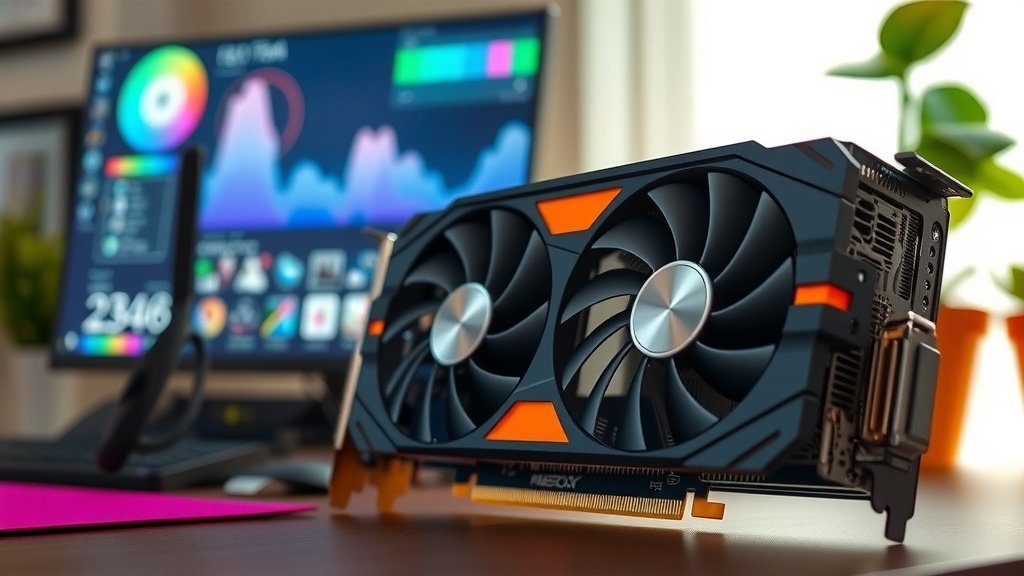
- Cooling Solution: This is often the biggest differentiator. Look for robust heatsinks, multiple fans, or even liquid cooling integration for better temperatures and quieter operation.
- Factory Overclock: Many custom cards come with higher clock speeds out of the box, providing a performance boost without needing manual tuning.
- Build Quality and Components: Premium custom cards often use higher-quality components, like better VRMs (Voltage Regulator Modules), for improved power delivery and longevity.
- Power Connectors: Some high-end custom cards might require more power connectors, so ensure your power supply unit can support them.
- Aesthetics: While not a performance factor, many custom cards feature unique designs, RGB lighting, and backplates that can enhance the look of your build.
Here’s a quick checklist to consider when you’re evaluating a custom graphics card:
- Does the cooling system meet your noise and temperature goals?
- Is the factory overclock significant for your needs?
- Are the power requirements compatible with your PSU?
- Is the card’s physical size suitable for your PC case?
- Do the aesthetics align with your personal style?
- What kind of warranty or support does the manufacturer offer?
Conclusion
You’ve learned that custom graphics cards go beyond standard models to meet specific performance needs. Whether it’s for demanding industries like AI and scientific research, or for enthusiasts pushing hardware limits, these cards offer tailored solutions. While true custom silicon is rare for individuals, AIB partners provide optimized versions, and DIY mods offer personalization.
Consider your unique requirements, like cooling, power, and form factor, when looking for a custom card. Now that you understand the landscape, you’re better equipped to choose the graphics card that truly fits your setup and your goals.
Frequently Asked Questions
Are custom graphics cards always more expensive?
Often, custom graphics cards can be more expensive than their reference counterparts. This is due to the enhanced cooling solutions, factory overclocks, and higher-quality components they typically feature. Research suggests these added features contribute to a higher manufacturing cost.
Can I build my own custom graphics card from scratch?
Building a graphics card entirely from scratch is extremely difficult and typically requires specialized engineering knowledge and manufacturing capabilities. Most “custom” cards you’ll find are modified designs by AIB partners or enthusiast DIY cooling upgrades, rather than completely custom-designed silicon.
How does a custom GPU differ from a regular one?
A custom GPU is built with specific optimizations beyond the reference design. This usually involves a superior cooling system for better temperatures and quieter operation, higher clock speeds for more performance, and sometimes upgraded power delivery components for stability.
Will a custom graphics card fit in any PC?
Not necessarily. Custom cards can often be larger than reference models due to their enhanced cooling solutions. You must check the physical dimensions and ensure they will fit within your PC case and clear other components before purchasing.
Are custom graphics cards worth it for gaming?
For many gamers, yes. Custom cards can offer a better gaming experience through higher frame rates thanks to factory overclocks and improved performance from better cooling. They also tend to be quieter, which can be a big plus for long gaming sessions.