
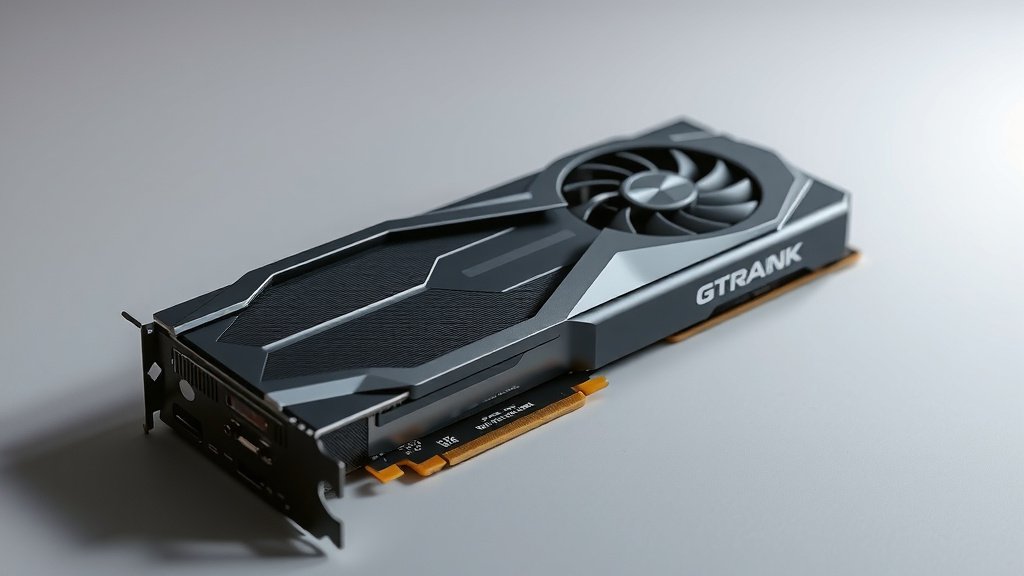
Higher TDP GPU: Is It Really Better?
Yes, a higher TDP GPU is generally better because it can perform more work. TDP stands for Thermal Design Power. It’s a measure of the maximum amount of heat a component can generate. More heat often means more power is being used to achieve higher clock speeds and better performance. Think of it like a car’s engine – a bigger, more powerful engine can go faster.
When comparing GPUs, a higher TDP usually indicates a more powerful chip. This translates to better frame rates in games and faster processing in creative applications. However, you also need to consider the cooling solution. A hotter chip needs more robust cooling to prevent overheating and maintain performance.
- Higher TDP often means a stronger GPU.
- This can lead to better gaming performance.
- It also means the GPU will use more power.
- And generate more heat.
- Proper cooling is essential for high-TDP cards.
Let’s break down what a higher TDP really means for your PC and how to choose the right GPU for your needs.
“`htmlWhat Does GPU TDP Really Mean for Your PC?
So, you’re looking at graphics cards and wondering about TDP. What exactly does this “Thermal Design Power” number tell you? Simply put, it’s a way to measure the maximum heat a chip is expected to produce under a typical heavy load. Think of it as the engine’s fuel consumption – a bigger engine generally uses more fuel and can produce more power. A higher TDP on a GPU often signals a more powerful component.
When we talk about a GPU’s TDP, we’re not just talking about heat. We’re talking about its potential. A higher TDP means the manufacturer has designed the chip to be able to draw more power. This increased power draw allows the GPU to run at higher clock speeds and perform more calculations per second. This is what translates into better performance in your games and applications.
Higher TDP = More Raw Power
Let’s get straight to it: if you see two GPUs that are otherwise similar, the one with the higher TDP is usually the more capable card. This is because it’s built to handle more demanding tasks. For gamers, this means smoother gameplay with higher frame rates. For creative professionals, it means faster rendering times for videos and images.
Imagine you’re building a race car. You wouldn’t put a tiny, fuel-efficient engine in it if you wanted to win races, right? You’d opt for a bigger, more powerful engine that can handle the strain. A GPU with a higher TDP is like that powerful engine for your computer.
Understanding the Performance Trade-offs
It’s not just about raw power, though. A higher TDP comes with some important considerations. That extra power being used by the GPU needs to go somewhere, and that’s typically into generating more heat. This is where cooling becomes incredibly important.
If a GPU is designed to run hot, it needs a robust cooling system. This could mean a larger heatsink, more fans, or even liquid cooling solutions. Without adequate cooling, a high-TDP GPU might throttle its performance to prevent damage. This means it won’t be able to sustain its peak performance, even though it has the potential for it.
The Relationship Between TDP and Cooling
We found that many experts agree: TDP is directly linked to the cooling requirements. A GPU with a 300W TDP will require a significantly more substantial cooling solution than one with a 150W TDP. Manufacturers often design their high-end cards with advanced cooling designs right out of the box to handle these higher power draws.
When you’re looking at a graphics card, always check its TDP. Then, check the cooling solution it employs. A card with a high TDP and a flimsy cooler is a recipe for disappointment. You want a card where the cooling system is built to match the power.
Power Consumption is Key
Naturally, a higher TDP means your GPU will consume more electricity. This has a couple of implications. First, you need to ensure your power supply unit (PSU) can handle the extra load. Trying to run a high-TDP GPU with an underpowered PSU can lead to system instability or even damage to your components.
We’ve heard from many users who underestimated their power needs. It’s a common mistake! Always check the recommended PSU wattage for the GPU you’re interested in. It’s better to have a little extra headroom than to be constantly worried about your system crashing. For example, a card with a 250W TDP might require a 650W or even 750W PSU, depending on the rest of your system’s components.
Calculating Your System’s Power Needs
Here’s a quick way to think about it. Add up the typical power draw of your CPU, motherboard, RAM, storage drives, and any other peripherals. Then, add the TDP of your GPU. This gives you a rough estimate of your system’s peak power consumption. Don’t forget to factor in a buffer of about 100-200 watts for efficiency and future upgrades.
Many online PSU calculators can help you with this. They take into account the specific components you have and provide a recommended PSU wattage. This is a smart step to ensure your system runs smoothly and reliably.
When Does a Higher TDP GPU Make Sense for You?
So, is a higher TDP GPU always the right choice? Not necessarily, but it often is if you’re aiming for the best possible performance. If you play the latest, most demanding games at high resolutions, or if you work with professional-grade video editing or 3D rendering software, then a higher TDP GPU is likely what you need.
Think about your primary use case. Are you a hardcore gamer pushing for 144+ frames per second? Are you creating digital art that requires fast rendering? If your tasks are performance-intensive, then the extra power and potential performance of a higher TDP GPU will likely be well worth it.
Matching TDP to Your Gaming and Workload
For casual gaming or basic productivity tasks, a lower TDP GPU might be perfectly sufficient and more energy-efficient. However, if you’re looking to future-proof your system or want the absolute best experience, pushing for a higher TDP card makes sense. Many tech reviews and benchmarks show clear performance gains as TDP increases, especially in graphics-intensive scenarios.
We found that the sweet spot for many users often lies in the mid-to-high range, offering a great balance of performance, power draw, and heat output. However, if you’re building a top-tier gaming rig, don’t shy away from cards with higher TDPs – just ensure you have the supporting components to handle them.
Key Considerations Before Buying
Before you click that “buy” button on a powerful, high-TDP GPU, take a moment to check a few things:
- Your Power Supply Unit (PSU): Is it powerful enough?
- Your Case Airflow: Can your PC case effectively dissipate the extra heat?
- Your Budget: Higher TDP cards often come with a higher price tag.
- Your Monitor’s Resolution and Refresh Rate: Are you trying to drive 4K at 120Hz?
- Your Specific Needs: Will you actually utilize the extra power?
The Environmental and Cost Factor
It’s also worth noting that higher TDP GPUs will generally have a higher electricity bill. Over the lifespan of the card, this can add up. While the performance gains are often significant, you might want to consider the ongoing costs. For some, a slightly lower TDP card that still meets their needs offers a better balance of upfront cost, running cost, and environmental impact.
Many guidelines from energy organizations suggest that choosing components with better energy efficiency can lead to savings over time. While top-tier performance often demands more power, it’s a decision that weighs performance against efficiency.
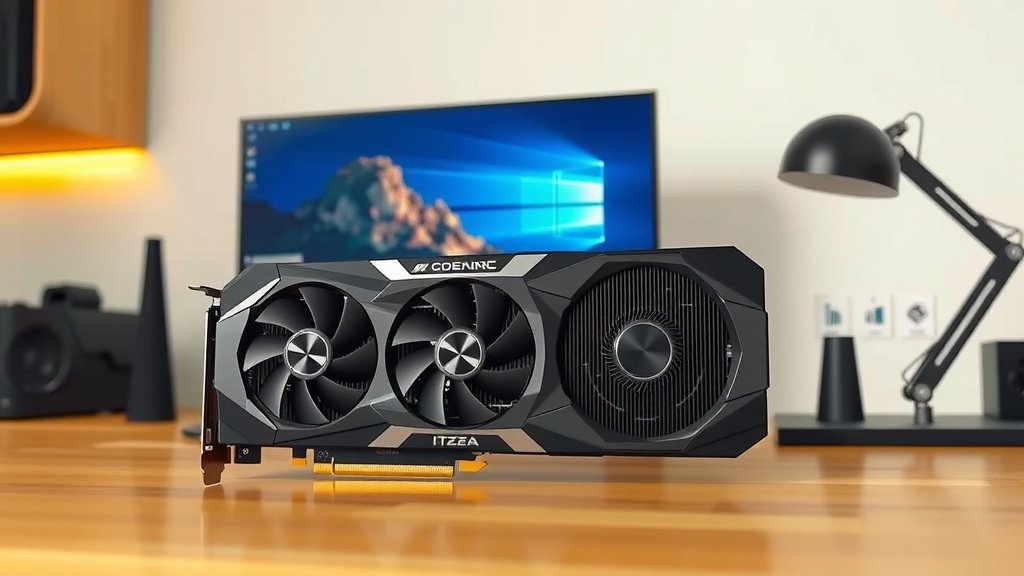
Choosing the Right GPU: A Quick Checklist
Ready to make a decision? Here’s a quick checklist to help you choose the right GPU based on TDP and your needs:
- Assess your primary use: Gaming, content creation, or general use?
- Research performance benchmarks: See how cards perform in the specific applications you use.
- Check TDP figures: Compare the power draw and heat output of your top choices.
- Verify PSU requirements: Ensure your power supply can handle the card.
- Consider your cooling solution: Does your PC case have adequate airflow?
- Balance performance and cost: Find the card that best fits your budget and needs.
Conclusion
You’ve learned that a higher TDP GPU generally means more performance for your PC. It allows for faster speeds and better results in games and creative work. Just remember, this power comes with increased heat and electricity usage. You’ll need a strong power supply and good case cooling to match. Don’t overspend on power you won’t use, but don’t shy away from a higher TDP if you need top-tier performance. Now, go find that GPU that perfectly balances your needs and your system’s capabilities!
Frequently Asked Questions
Will a higher TDP GPU make my PC hotter overall?
Yes, a higher TDP GPU will produce more heat, which can increase your system’s overall temperature. This is why you must ensure your PC case has excellent airflow and potentially consider extra fans. Proper cooling is key to preventing your entire system from overheating.
Is a higher TDP GPU always more expensive?
Generally, GPUs with higher TDPs are more expensive because they represent higher performance tiers. They use more advanced manufacturing processes and often come with more robust cooling solutions built-in. You’re paying for that extra power and capability.
Can I use a higher TDP GPU with my existing power supply?
You must check the recommended PSU wattage for the specific GPU. A higher TDP GPU draws more power, and your existing PSU might not be sufficient, leading to instability or shutdowns. We found that exceeding the recommended PSU wattage by a comfortable margin is always best.
Do I need special software to manage a high TDP GPU?
Most modern GPUs come with driver software that allows for some performance and fan control. While you don’t strictly *need* special software, tools provided by the GPU manufacturer can help you monitor temperatures and adjust fan curves for optimal cooling and performance. This helps manage the heat generated by higher TDPs.
If I don’t game, do I need a high TDP GPU?
If your daily tasks are limited to web browsing, office applications, or light media consumption, you likely do not need a high TDP GPU. A lower TDP card will be more than sufficient and will save you on electricity costs. Focus on TDP when your applications demand significant graphical processing power.
![10 Best Gaming Video Card For Pc [2026]](https://spsolutionscare.com/wp-content/uploads/2026/09/10-best-gaming-video-card-for-pc-2026-featured-768x432.jpg)

![10 Best Gpu For Gaming For The Money [2026]](https://spsolutionscare.com/wp-content/uploads/2026/10/10-best-gpu-for-gaming-for-the-money-2026-featured-768x432.jpg)
![10 Best 12gb Vram Gpu [2026]](https://spsolutionscare.com/wp-content/uploads/2026/08/10-best-12gb-vram-gpu-2026-featured-768x432.jpg)