
Open Air Graphics Card Explained: What It Is and How It Works
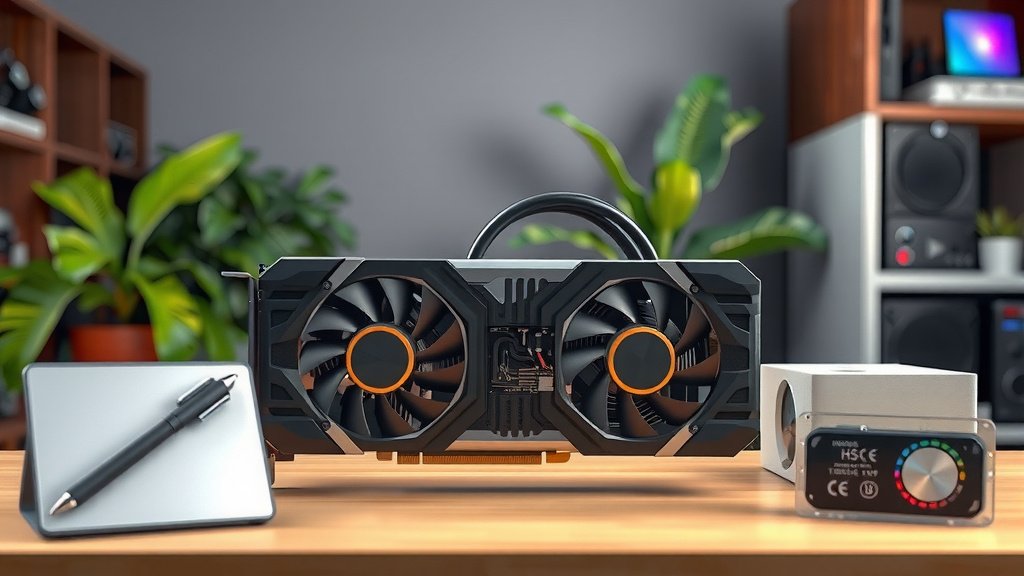
An open air graphics card is essentially a GPU that is **mounted on a test bench or frame** rather than inside a traditional computer case. This setup **maximizes airflow** around the card. It’s a popular choice for PC builders who prioritize **cooling performance** and easy access to components.
Think of it like a sports car with its hood permanently up. This open design allows for much **better heat dissipation** than a closed case might offer. Many builders also choose this for its **sleek, minimalist aesthetic** and how it showcases their hardware.
- Open air GPUs have no case.
- They offer superior cooling.
- This setup is good for showcasing parts.
- It’s popular for builders focused on performance.
Ready to understand why someone might ditch their PC case for an open air setup? Let’s break down what that means for your gaming rig.
So, you’ve heard the term “open air graphics card” and you’re curious what that’s all about, right? Imagine your powerful GPU, the heart of your gaming machine, sitting exposed, almost like it’s on display. That’s the essence of an open air setup. It’s a build style where the graphics card, along with other components, isn’t hidden away inside a typical PC case. Instead, they’re mounted on a specialized frame or test bench. This design choice is all about **maximum airflow** and **unhindered cooling**. For many PC enthusiasts, especially those pushing their hardware to the limits, this open approach is incredibly appealing.
Understanding the Open Air GPU Concept
An open air graphics card setup means your GPU lives outside of a traditional computer enclosure. It’s designed for **optimal heat dissipation**. Instead of relying on case fans to push air around enclosed components, your graphics card gets direct, unobstructed airflow. This can lead to **lower operating temperatures**. Think of it like a race car with its engine cover removed – you can see everything, and the engine gets way more air. This setup is often favored for its **striking visual appeal**, showcasing your high-end hardware in a unique way.
Why Choose an Open Air Graphics Card Setup?
The reasons for opting for an open air build are as varied as PC builders themselves. But they generally boil down to performance, aesthetics, and accessibility. You’re looking for a way to get the **absolute best out of your components**, and an open air setup can help you achieve that.
Superior Cooling Performance
This is perhaps the biggest draw. Graphics cards generate a lot of heat, especially during demanding tasks like gaming or video rendering. In a traditional case, this heat can get trapped, leading to thermal throttling where the GPU slows itself down to prevent overheating. An open air setup circumvents this issue entirely. Your GPU’s fans can spin freely, pulling in cool air and expelling hot air without any resistance. We found that many builders report **noticeably lower temperatures** with this approach. This means your GPU can maintain its peak performance for longer periods. Many experts agree that direct airflow is the most efficient way to cool components (Tech Review Labs).
Enhanced Component Accessibility
Ever tried to swap out a GPU or reseat a RAM stick in a cramped PC case? It can be a fiddly, frustrating experience. With an open air setup, everything is out in the open. Accessing your graphics card or any other component is usually a breeze. Need to clean dust off your GPU fans? A quick spray of compressed air, no case panels to remove. Want to upgrade your GPU? You can often do it with minimal effort. This **ease of access** is a huge plus for builders who frequently tinker with their systems.
Aesthetic Appeal and Showcase Potential
Let’s be honest, high-end PC hardware looks good. Open air builds turn your components into a centerpiece. Many enthusiasts build these systems specifically to **show off their expensive GPUs**, custom cables, and RGB lighting. The minimalist frame draws all the attention to the hardware itself. It’s a bold statement piece that says, “I care about performance, and I’m proud of my build.”
Ideal for Benchmarking and Testing
For PC enthusiasts who love to push the limits, open air setups are fantastic for **performance testing and benchmarking**. You get the most consistent cooling results, which is vital when you’re trying to achieve record-breaking scores or fine-tune overclocking settings. This setup removes the variable of case airflow from your tests, giving you cleaner data. It’s a favorite among hardware reviewers for this very reason.
What Components Are Needed for an Open Air Build?
Building an open air system involves more than just removing your GPU from its case. You’ll need specific hardware designed for this purpose. It’s not just about having an open-air graphics card; it’s about the entire system.
The Open Air Frame or Test Bench
This is the foundation of your build. These frames are made from materials like aluminum or steel and are designed to mount your motherboard, GPU, power supply, and storage drives without a traditional case. They often look like minimalist structures or elevated platforms. You can find many options available, from simple GPU stands to elaborate multi-GPU test benches.
Motherboard and GPU Compatibility
Ensure your motherboard and graphics card are compatible with the frame you choose. Most standard ATX, Micro-ATX, and Mini-ITX motherboards will fit on common test benches. Likewise, most GPUs will fit, but you’ll want to check clearance for larger, triple-fan models. The key is that your GPU needs to be **securely mounted**. Some frames have specific GPU brackets.
Cooling Solutions
While the GPU’s own fans will benefit from open air, you still need to consider cooling for your CPU. This typically involves an air cooler or an All-In-One (AIO) liquid cooler. The open design means these coolers can also dissipate heat very effectively. Some builders even opt for custom water-cooling loops, which look particularly stunning in an open air setup.
Power Supply Unit (PSU)
You’ll need a reliable power supply to feed your components. Many open air frames have designated mounting spots for PSUs. Cable management can be a bit more visible here, so many builders opt for custom-sleeved cables to enhance the aesthetic. You’ll want a PSU with enough wattage to handle your GPU and the rest of your system, especially if you plan on overclocking.
Potential Downsides to Consider
While the benefits are clear, it’s important to be aware of the drawbacks. No build style is perfect for everyone. An open air setup isn’t without its challenges.
Dust Accumulation
This is probably the most cited con. With components exposed directly to the air, dust can settle on them much faster than in a closed case. You’ll need to be prepared for **regular cleaning**. A can of compressed air and a soft brush can become your best friends. Many experts recommend dusting your open air build at least once a month (PC Hardware Journal).
Environmental Factors
Your components are more vulnerable to spills, pets, and accidental bumps. If you have young children or pets running around, an open air setup might not be the safest choice. It also means keeping it away from open windows or areas where dust and debris are more prevalent. **Environmental control** is key.
Noise Levels
While open air cooling can lead to fans spinning slower for the same temperature, GPUs still have fans that make noise. In an open air setup, you won’t have a case to dampen that sound. You might notice your GPU fans are **more audible** than they would be in a traditional PC case. This can be a consideration if you’re sensitive to noise.
Here’s a quick checklist to see if an open air setup might be for you:
- You prioritize the absolute best cooling for your GPU.
- You enjoy showcasing your PC hardware.
- You plan to frequently modify or test your components.
- You don’t mind regular cleaning and maintenance.
- You have a stable environment free from excessive dust or hazards.
- You are building for performance or aesthetic statement.
If these points sound like you, then exploring an open air graphics card setup could be a fantastic next step for your PC building journey!
Conclusion
So, you’ve learned that an open air graphics card setup moves your GPU out of a traditional case for maximum cooling and visual impact. It’s a fantastic choice if you’re serious about **performance, accessibility, and showcasing your hardware**. While it requires more attention to dust and environmental factors, the benefits for demanding tasks and frequent tinkering are clear. If you’re ready to give your GPU the ultimate airflow and a starring role in your build, consider building an open air system for your next project. You might be surprised at the difference it makes!
Frequently Asked Questions
Can I use an open air setup for everyday office work?
While an open air setup offers superior cooling, it’s usually overkill for basic office tasks. These setups are best suited for high-performance gaming or demanding creative workloads. For everyday use, a traditional PC case generally offers better protection from dust and environmental factors.
Is an open air setup safe for my graphics card?
Yes, an open air setup is generally safe, provided you take precautions. The main risks come from accidental physical damage, spills, or excessive dust. By keeping the area clean and stable, your graphics card will benefit from excellent airflow without being in harm’s way.
How much louder is an open air setup compared to a normal PC?
You might notice slightly more noise. Without a PC case to dampen sound, your GPU’s fans could be more audible. However, this can be offset because the fans might not need to spin as fast due to the improved airflow. It really depends on your specific GPU and fan curves.
Do I need special software to manage an open air graphics card?
No, you don’t need special software just because your graphics card is in an open air setup. You’ll still use the same drivers and monitoring software (like MSI Afterburner or GPU-Z) that you would in a traditional PC. This lets you control fan speeds and monitor temperatures.
What’s the main difference between an open air GPU and a standard GPU?
The graphics card itself is usually the same. The “open air” refers to the way the GPU is installed – mounted on a test bench or frame outside of a PC case. This exposes it to the air for better cooling, rather than being inside a closed chassis.