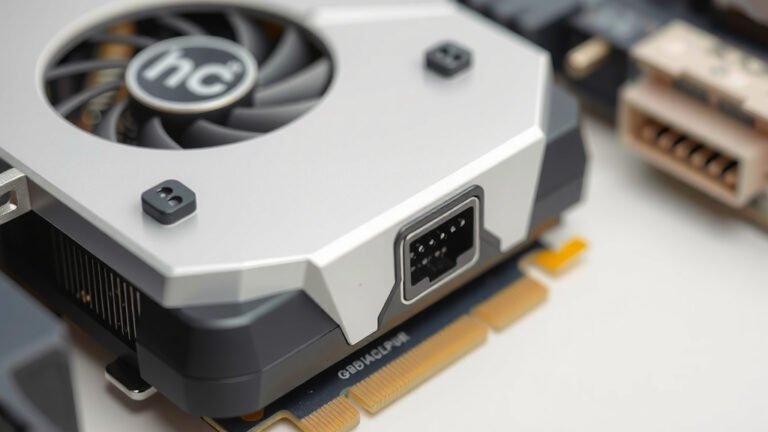
10 Best Economical Graphics Card [2026]
The best economical graphics cards offer a significant upgrade over integrated graphics without breaking the bank, with options like the Our guide to dollar graphics card options can help you find the best value.ASUS GT 1030 2GB GDDR5 for compact gaming, the maxsun GT 710 2GB Fanless for silent basic use, and the msi GT 1030 4GB DDR4 for entry-level gaming representing strong contenders.
These affordable GPUs are ideal for users looking to improve multimedia performance, light gaming capabilities, or simply get a dedicated display output for a budget PC build. Choosing the right one ensures you get the most bang for your buck without overspending on unnecessary power.
We’ve sifted through numerous options to bring you our top 10 economical graphics card picks, all while keeping value and performance in mind. Each card was evaluated based on factors like power efficiency, ease of installation, and overall graphical output for everyday tasks and casual gaming. Continue reading to see our detailed breakdown and find the perfect budget-friendly GPU for your needs.
3 Standout Picks: Compact Gaming, Silent Basic Use, and Entry-Level Gaming
Start with these 3 standouts. Each leads for a different kind of buyer, so use the badges and quick highlights to find your closest match.


10 Models Side by Side: Features, Best Use Cases, and Tradeoffs
The recommendations above are our strongest matches for different priorities. Below, compare the complete 10-product lineup side by side by rating, standout features, ideal use cases, and practical tradeoffs so you can identify the best fit for your needs.
- 2GB GDDR5 memory
- HDMI, DVI-D ports
- Compact design
- Fanless cooling
- VGA, DVI-D, HDMI
- Low profile design
- 4GB DDR4 memory
- DirectX 12 support
- Low profile design

- Multiple display outputs
- 4GB DDR3 memory
- Low profile design

- Triple output ports
- 4GB DDR3 memory
- Low profile design

- 4X HDMI ports
- Low profile design
- Silent cooling

- 2x HDMI ports
- 4GB GDDR3 memory
- Low profile design

- HDMI/VGA output
- Low profile design
- Low power consumption

- HDMI/VGA output
- Low profile design
- Entry-level GPU

- HDMI/VGA output
- Low profile design
- Entry-level GPU
10 Models Reviewed in Depth
#1. ASUS GT 1030 2GB GDDR5
Design
Memory
Bracket Included
The ASUS GeForce GT 1030 stands out with its 2GB of faster GDDR5 memory, offering a noticeable performance boost for light gaming and multimedia tasks compared to DDR4 variants. Its compact design and included low-profile bracket make it exceptionally versatile for small form factor builds. The single-fan cooling is quiet and efficient, ensuring stable operation without adding much noise to your system.
This card is an excellent choice for casual gamers, HTPCs, or anyone needing a capable, compact GPU for everyday use. While it won’t run the latest AAA titles at high settings, it handles esports titles and older games with ease. If you need a reliable, small-footprint graphics card that balances performance and quiet operation, the ASUS GT 1030 is a top contender.
Pros
- Fast GDDR5 memory
- Excellent for SFF PCs
- Quiet and efficient cooling
Cons
- Not for demanding games
- Limited VRAM for future titles
- 2GB memory can be a bottleneck
Specifications
#2. maxsun GT 710 2GB Fanless
Cooling
Small Form Factor
Operation
The maxsun GeForce GT 710 is an excellent choice for users prioritizing silent operation, thanks to its fanless cooling design. It offers a standard set of outputs including VGA, DVI-D, and HDMI, making it versatile for various displays. The low-profile design ensures it fits into compact systems, and with 2GB of memory, it’s capable of handling basic desktop tasks, video playback, and light multitasking without issue.
This card is ideal for HTPCs, office PCs, or any system where a completely silent experience is desired. However, its gaming performance is extremely limited, and it’s not suited for graphically intensive applications. If you need a silent, low-profile card for basic display output and everyday computing, the maxsun GT 710 is a fantastic, economical option that won’t add any noise.
Pros
- Completely silent operation
- Fits in small PCs
- Multiple display outputs
Cons
- Not for gaming
- Very basic performance
- Limited upgrade potential
Specifications
#3. msi GT 1030 4GB DDR4
Gaming GPU
Small Form Factor
12 Support
The MSI GT 1030 is a capable card for basic gaming and multimedia tasks, offering 4GB of DDR4 memory for improved performance over older models. It supports DirectX 12, ensuring compatibility with a wide range of modern titles at lower settings. Its compact, single-fan design and low-profile bracket make it easy to install in most PC cases, including small form factor builds.
While it’s a significant step up from integrated graphics for light gaming, don’t expect to run the latest AAA titles at high settings. This card is best for casual gamers, HTPCs, or users needing a dedicated GPU for basic display output and light workloads. If you’re looking for an affordable upgrade for older or less demanding games, the GT 1030 is a solid choice.
Pros
- Good for light gaming
- Supports DirectX 12
- Compact and quiet
Cons
- Not for high-end gaming
- DDR4 memory is slower
- 64-bit bus limits bandwidth
Specifications
#4. Glorto GT 730 4G Low
Display Outputs
SFF PC Ready
DDR3 Memory
The Glorto GeForce GT 730 is a solid choice for budget-conscious users needing a dedicated graphics card for multimedia and basic tasks. It features multiple display outputs including 2x HDMI, DP, and VGA, offering good flexibility for connecting monitors. The 4GB of DDR3 memory is ample for everyday computing, video playback, and light multitasking. Its low-profile design ensures compatibility with a wide range of PC cases, including slim desktops.
While this card provides a decent multimedia experience and display connectivity, it’s not powerful enough for serious gaming or demanding creative work. The PCIe 2.0 x8 interface and DDR3 memory are limiting factors for high-end performance. If you’re building an HTPC or upgrading an office PC for better display options and smooth media playback, this GT 730 offers good value.
Pros
- Versatile display outputs
- 4GB memory for multimedia
- Low profile for SFF PCs
Cons
- Weak gaming performance
- DDR3 memory bottleneck
- Older PCIe interface
Specifications
#5. SOYO GT 740 4GB DDR3
Monitor Output
Slim Desktop Fit
DDR3 Memory
The SOYO GeForce GT 740 offers a versatile display output solution with its HDMI, VGA, and DVI-D ports, supporting up to three monitors. Its 4GB of DDR3 memory provides adequate capacity for everyday tasks and light multimedia use. The low-profile design ensures it fits into most slim desktop cases, making it a practical choice for office upgrades or HTPCs that require multiple displays.
While this card is capable of handling multiple displays and basic computing, it’s not designed for modern gaming. The DDR3 memory and older architecture limit its performance in graphically demanding scenarios. If your priority is connecting multiple monitors for productivity or enjoying media content on a budget in a compact system, this GT 740 is a decent option.
Pros
- Supports three displays
- 4GB memory capacity
- Fits in slim PCs
Cons
- Limited gaming performance
- DDR3 memory is slower
- Older GPU architecture
Specifications
#6. GT 740 4GB GDDR5
HDMI Output
Compact Design
Fanless Cooling
You’ll appreciate the GT 740’s versatility for driving multiple displays, thanks to its four HDMI ports. Its low-profile design and silent cooling make it an excellent choice for compact or quiet builds, ideal for office work or home theater setups where visual real estate is key. The GDDR5 memory ensures smooth performance for everyday tasks.
While this card excels at multi-monitor support and quiet operation, don’t expect it to handle demanding modern games. It’s best suited for users prioritizing display output and basic multimedia over gaming performance. If you need a card for productivity and media consumption in a small form factor, this is a solid, economical option.
Pros
- Excellent multi-monitor support
- Low profile and silent
- Suitable for office/HTPC
Cons
- Not for modern gaming
- Older architecture
- Limited upgrade path
Specifications
#7. MOUGOL R7 350 4GB GDDR3
HDMI Ports
SFF PC Fit
GDDR3 Memory
The MOUGOL AMD Radeon R7 350 provides a low-profile solution with 4GB of GDDR3 memory and dual HDMI ports, suitable for older systems or HTPCs. Its half-height design makes it easy to install in compact desktops. The card offers basic graphics capabilities for everyday tasks and media playback, ensuring you have dedicated display output.
Be aware that this card is not compatible with Windows 11, limiting its use on modern systems. Furthermore, its performance is quite dated, making it unsuitable for gaming or any demanding applications. If you need a simple graphics upgrade for a Windows 10 or older system and require dual HDMI outputs in a small form factor, this R7 350 could work, but check compatibility carefully.
Pros
- Dual HDMI outputs
- 4GB memory
- Low profile design
Cons
- Not compatible with Windows 11
- Limited performance
- Dated GDDR3 memory
Specifications
#8. QTHREE GT 210 1GB DDR3
Consumption
Slim PC Fit
Video Output
The QTHREE GeForce GT 210 is a budget-friendly graphics card designed for basic computing needs and HTPC builds. It offers essential HDMI and VGA outputs and boasts a low-profile design for compatibility with slim PCs. Its key advantage is its low power consumption, making it an energy-efficient choice for always-on media centers or systems where power is a concern.
Performance-wise, this card is very limited and not suitable for gaming or demanding applications. It’s best used for adding display capabilities to a system or for basic video playback. If you need a quiet, low-power solution for a home theater PC or a secondary computer that won’t be pushed hard, this GT 210 is a functional option.
Pros
- Very low power draw
- Compact for SFF PCs
- Provides basic video output
Cons
- Extremely basic performance
- Not for gaming
- Dated specifications
Specifications
#9. GeForce GT 610 2GB DDR3
Display Output
Small PC Fit
GPU Upgrade
The GeForce GT 610 is designed for basic display output and light multimedia tasks, featuring HDMI and VGA ports for broad compatibility. Its low-profile form factor and compatibility with Windows 11 make it a straightforward choice for upgrading older systems or building a simple HTPC. This card is ideal for ensuring your PC has a dedicated display output, even if your CPU lacks integrated graphics.
However, this GPU is not suitable for gaming or any graphically intensive applications. Its performance is very limited, and the DDR3 memory and older PCIe interface further restrict its capabilities. If your primary need is simply to get a picture on your monitor for office work or video playback, the GT 610 will suffice, but look elsewhere for anything more demanding.
Pros
- Provides basic display output
- Low profile and compact
- Compatible with Win11
Cons
- Extremely low performance
- Not for gaming
- Outdated technology
Specifications
#10. Glorto GT 210 1GB DDR3
Display Output
Small Form Factor
Media PC
The Glorto GeForce GT 210 is a very basic graphics card designed primarily for adding display output to systems without integrated graphics or for use in HTPCs. It offers HDMI and VGA outputs and a low-profile design, making it suitable for small form factor PCs. With 1GB of DDR3 memory, it can handle basic desktop tasks and video playback smoothly.
This card is not intended for gaming or any demanding graphical tasks; its performance is extremely limited. You should only consider the GT 210 if your needs are strictly basic display output and media consumption in a compact PC. For any sort of gaming or heavier workload, you will need a more powerful graphics solution.
Pros
- Adds display output
- Very low profile
- Suitable for HTPC
Cons
- Extremely weak performance
- Not for gaming
- Very old technology
Specifications
Unlock More Pixels Without Breaking the Bank
Finding the right graphics card on a tighter budget can feel like navigating a minefield. You want a noticeable upgrade for your games or creative work, but the sheer number of options can be overwhelming, and it’s easy to overspend. This guide will help you cut through the noise and identify a graphics card that offers the best bang for your buck, ensuring you get a solid performance boost without regretting your purchase.
The Pillars of Affordable Visual Power
When you’re looking for an economical graphics card, a few key elements deserve your attention to ensure you’re getting the most value.
- Your Gaming and Application Needs: Consider what you’ll primarily use the card for. If you’re a casual gamer playing less demanding titles or primarily using your PC for everyday tasks and light photo editing, you won’t need the same horsepower as a serious gamer tackling the latest AAA releases.
- Memory (VRAM) Matters: VRAM is the graphics card’s dedicated memory. More VRAM generally allows for higher resolutions, better texture quality, and smoother performance in graphically intensive applications. For budget-conscious buyers, aiming for a card with sufficient VRAM for your expected workload is crucial.
- Connectivity and Compatibility: Ensure the card has the right ports (like HDMI or DisplayPort) for your monitor and that your computer’s power supply unit (PSU) can handle its power requirements. Check your motherboard for compatibility as well.
- Sticking to Your Budget: This is paramount. Define your spending limit before you start looking. This will help you narrow down your choices significantly and prevent impulse buys that push you over your intended cost.
Common Traps for the Savvy Shopper
Even with a clear goal, it’s easy to stumble into a less-than-ideal purchase. Be mindful of these common pitfalls.
- Ignoring Older Generations: Sometimes, slightly older but still capable graphics cards can offer excellent performance for their price, especially if you find them on sale. Don’t discount them automatically.
- Overspending on Features You Won’t Use: Resist the urge to pay extra for advanced features like ray tracing or extremely high refresh rate support if your monitor or intended games don’t leverage them.
- Believing Every Benchmark: While benchmarks are useful, remember they are often conducted under ideal conditions. Real-world performance can vary based on your specific system configuration and the games or applications you run.
Your Wallet-Friendly GPU Power-Up
For basic HTPC needs and light office tasks, the GT 1030 variants, particularly the ASUS and MSI models, offer a solid, low-profile solution. If you’re building a system where multiple monitors are key but gaming isn’t a priority, the GT 740 with its quad HDMI ports stands out. For the absolute lowest entry point, consider the GT 710, GT 730, or GT 210 for very light duty.
All these budget-friendly graphics cards are designed to keep costs down without sacrificing essential display capabilities. Don’t forget to click the buttons above to check the latest pricing and availability for your chosen card!
Final 3 Picks: Compact Gaming, Silent Basic Use, and Entry-Level Gaming
Ready to decide? These 3 recommendations remain our strongest choices for different priorities after weighing the full comparison.
![10 Best Amd Gpu Out Right Now [2026]](https://spsolutionscare.com/wp-content/uploads/2026/08/10-best-amd-gpu-out-right-now-2026-featured-768x432.jpg)