What is a Reference Graphics Card Explained
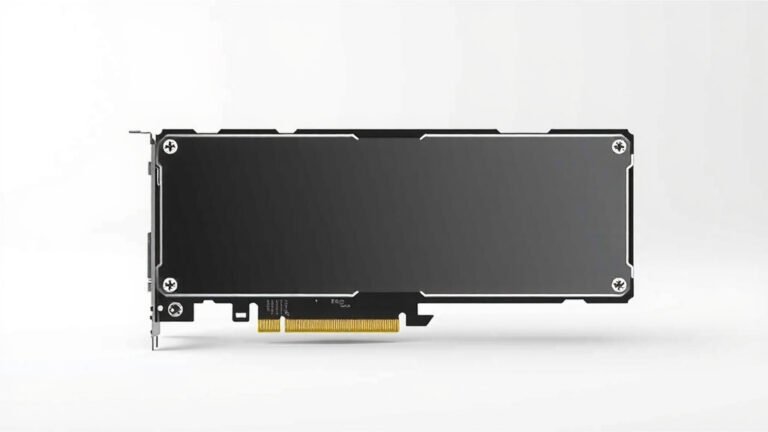
A reference graphics card, often called a “reference GPU,” is essentially a basic model made by the chip designer (like NVIDIA or AMD). It serves as the standard blueprint for other companies to build their own versions. Think of it as the original recipe before bakers add their unique frosting.
These reference cards are crucial for initial testing and validation. They ensure the core technology works as intended before partners customize them. While not typically sold directly to consumers, they guide the performance and features you’ll find in retail cards. They’re the foundation of your gaming experience.
- Reference graphics cards are the original design by chip makers (NVIDIA, AMD).
- They act as a standard benchmark for other manufacturers.
- They are vital for testing and development.
- Retail cards are usually customized versions based on reference designs.
We’ve researched how these reference cards work and what they mean for your PC. Let’s get into the details so you can understand your graphics card better.
Understanding the Reference Graphics Card Concept
So, what exactly is a reference graphics card? Simply put, it’s the original template. Chip designers like NVIDIA and AMD create these as their baseline GPU. They’re not usually flashy or overclocked. Think of it as the architect’s initial blueprint before builders start adding their personal touches.
These reference cards are made to showcase the core technology. They allow NVIDIA or AMD to prove their new GPU architecture works well. They’re also essential for partners who will eventually build their own cards. This standard design helps everyone stay on the same page.
The Role of Reference GPUs in Development
Reference graphics cards play a vital part in the early stages of GPU creation. They are the first physical manifestation of a new chip. This allows for rigorous testing and validation.
Testing and Validation Groundwork
Before a new GPU hits the shelves, it needs extensive testing. The reference card is the primary tool for this. Engineers use them to check for bugs and performance issues. This ensures the underlying technology is stable.
Many industry standards rely on these early tests. Guidelines for power consumption and thermal performance are often set here. For instance, the recommended cooling solution might be detailed in reference specifications (NVIDIA Developer Documentation).
Setting the Performance Baseline
A reference GPU establishes the expected performance. It provides a benchmark for what the chip itself can do. This baseline is critical for comparison.
When partners start designing their custom cards, they’ll aim to meet or exceed this baseline. They might tweak cooling or clock speeds. But the reference card shows the fundamental capability of the GPU silicon.
Why You Won’t Usually Buy a Reference Card
While essential for development, reference cards aren’t typically for end-users like you. You’re more likely to see them in labs than in gaming PCs.
Customization is King for Consumers
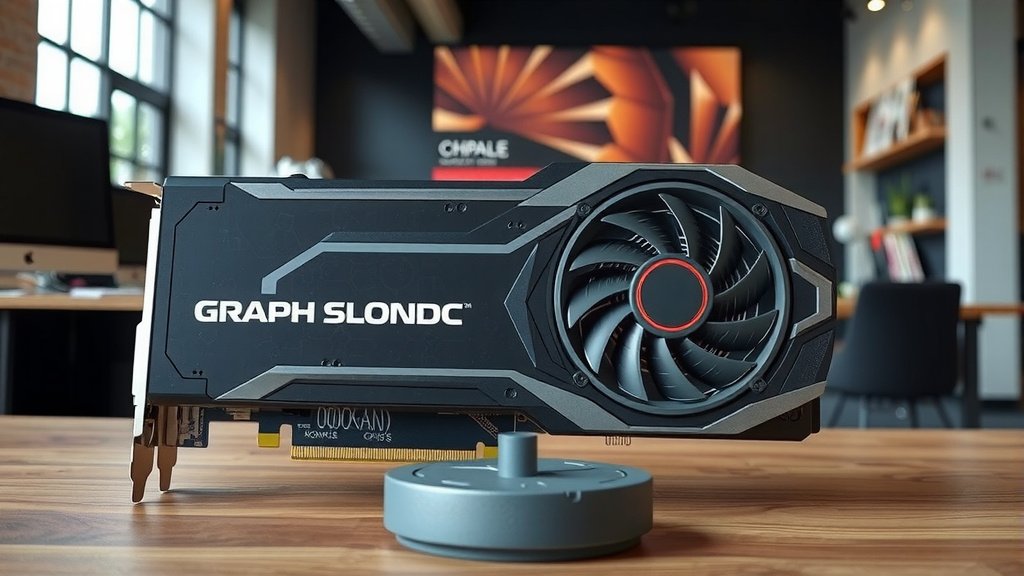
Most graphics cards you see in stores are custom-designed. These are made by companies like ASUS, MSI, Gigabyte, and EVGA. They take the reference design and enhance it. They might add beefier coolers, custom fans, or boost clock speeds.
These custom cards are built to appeal to different users. Some focus on quiet operation. Others prioritize maximum overclocking potential. You might also see unique RGB lighting or different physical sizes.
The Difference in Cooling Solutions
One of the biggest differences is the cooling. Reference cards often use a simple, basic cooler. This is usually a blower-style fan that exhausts hot air directly out of the PC case. It works, but it can be loud.
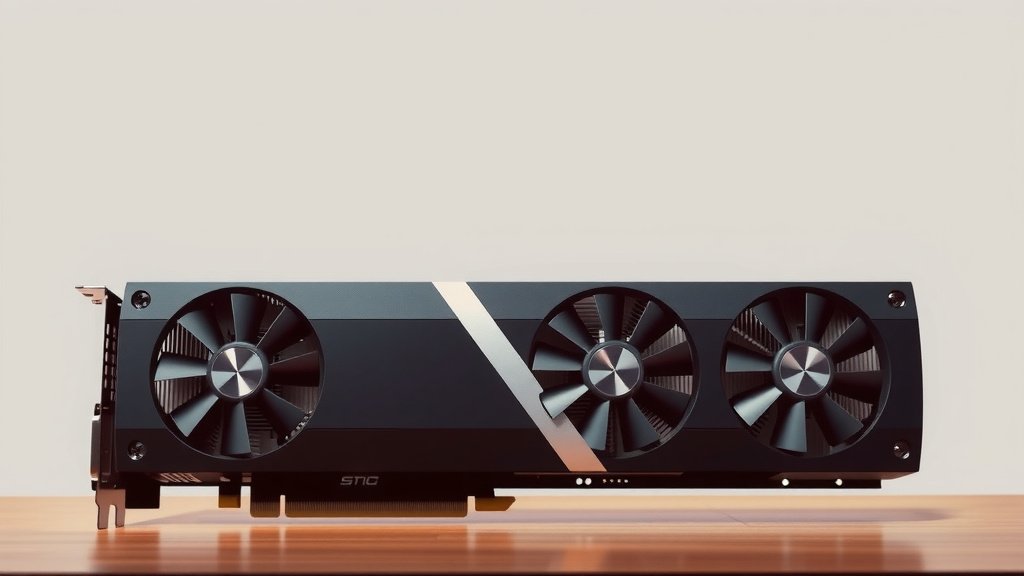
Custom cards often feature elaborate heatsinks and multiple fans. These advanced cooling systems help dissipate heat more effectively. This allows for higher, more sustained clock speeds. It also often leads to quieter operation.
Reference Cards vs. Partner Cards: A Quick Look
Let’s break down the key distinctions you’ll find.
| Feature | Reference Card | Partner Card (Custom) |
|---|---|---|
| Manufacturer | Chip Designer (NVIDIA, AMD) | Add-in Board (AIB) Partner (ASUS, MSI, etc.) |
| Cooling | Basic, often blower-style | Advanced, custom fans/heatsinks |
| Clock Speeds | Standard, baseline speeds | Often factory overclocked for better performance |
| Aesthetics | Plain, functional design | Varied designs, RGB lighting, backplates |
| Availability | Rarely sold directly to consumers | Widely available for purchase |
| Price | Not a consumer price point | Varies widely based on features and performance |
Performance Expectations
A reference card gives you a solid performance foundation. It shows you what the GPU chip is truly capable of. However, partner cards often push this further. They might offer 5-10% better performance out of the box.
This is achieved through factory overclocks. These are higher clock speeds set by the partner. It’s like a car manufacturer’s standard engine versus a tuner’s upgraded version. Both are based on the same engine, but one is faster.
Why Does This Matter to You?
Understanding reference cards helps you appreciate the GPU market. It explains why there are so many different versions of the same chip. It also sheds light on performance differences.
Making Informed Purchase Decisions
When you’re looking for a new graphics card, you’re buying a partner card. Knowing about the reference design helps you. You can compare a custom card’s advertised speeds to the reference specifications. This gives you a better idea of the actual performance gains.
Are you paying extra for a small clock speed bump? Or are you getting a superior cooling solution that will allow for better sustained performance? These are questions you can answer with this knowledge. Many reviews will reference stock speeds (i.e., reference speeds) to highlight these differences.
The Foundation of Your PC’s Visuals
Ultimately, the reference design is the heart of the GPU. It’s what NVIDIA or AMD developed. All the custom cards are built upon this core innovation. So, while you might not buy one, you benefit from its existence.
It ensures that the fundamental technology is sound. This allows companies to innovate on top of a stable platform. Your ability to play games, edit videos, or create content relies on this layered approach.
What to Look for When Buying
So, when you’re ready to upgrade your rig, keep these points in mind:
- Check the clock speeds of custom cards. Compare them to the reference specs.
- Examine the cooler design. A better cooler means better long-term performance.
- Read reviews! They often discuss how well a card performs compared to the reference model.
- Consider the build quality and warranty offered by the partner.
- Look at the power connectors and ensure your power supply can handle it.
- Don’t forget about the physical size; make sure it fits your PC case.
Conclusion
Understanding reference graphics cards is key to navigating the GPU market. You now know they are the foundational design by chip makers like NVIDIA and AMD. These cards ensure the core technology is sound before partners release their customized versions. While you’ll likely never buy one, this knowledge helps you make smarter choices when purchasing your own card. You can better judge performance bumps and cooling solutions. Next time you shop, look at the partner card’s specs with your newfound understanding. You’ll be a more informed buyer ready to get the best visuals for your PC.
Frequently Asked Questions
Are reference cards ever sold to consumers?
Generally, reference cards are not intended for direct consumer purchase. They are primarily used by engineers for testing and development. You’re much more likely to find custom-designed cards from partners like ASUS or MSI in retail stores.
Do reference cards perform worse than custom cards?
Reference cards typically operate at standard clock speeds. Custom cards often feature factory overclocks, meaning they run slightly faster out of the box. This can lead to a small performance advantage for custom models.
What’s the main difference in cooling between reference and custom cards?
Reference cards usually have basic, often blower-style coolers that exhaust heat directly out of the case. Custom cards frequently come with more advanced cooling systems, like multiple fans and larger heatsinks, for better thermal performance and quieter operation.
Can I still get good performance from a custom card based on a reference design?
Absolutely. Custom cards take the reference design and often enhance it with better cooling, higher clock speeds, and improved power delivery. This means you can often achieve better sustained performance and overclocking potential compared to a reference model.
Why are reference designs important if I’m buying a partner card?
The reference design sets the performance baseline. Knowing these specs helps you evaluate custom cards. You can see how much extra performance or improved cooling a partner is offering over the original NVIDIA or AMD design.