Vapor Chamber GPU Coolers Explained: Boost Your PC Performance
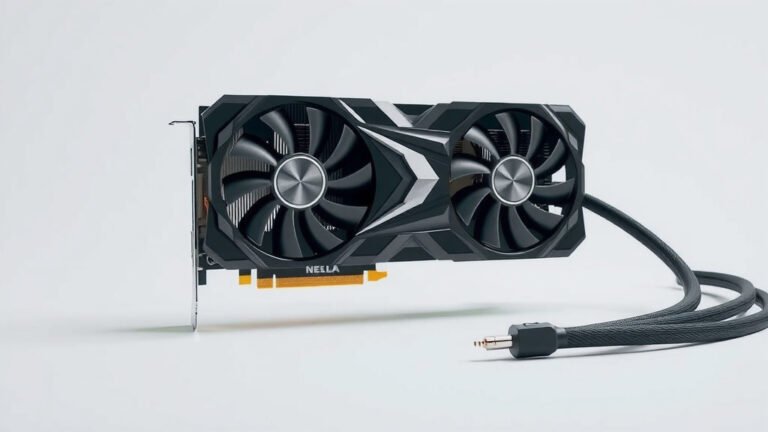
A vapor chamber GPU cooler is a type of cooling system for graphics cards that uses a flat, sealed metal container filled with a working fluid. This fluid absorbs heat from your GPU, turns into vapor, and travels to a cooler area to release the heat before condensing back into liquid. It’s essentially a super-efficient, high-tech way to keep your graphics card from overheating during demanding tasks.
Think of it as a really fast-acting heat sponge for your GPU. Unlike traditional heat sinks that rely on heat pipes, a vapor chamber spreads heat more evenly and quickly across a larger surface area. This means your graphics card can perform better for longer without throttling performance due to heat.
- Vapor chamber coolers are advanced GPU cooling systems.
- They use a sealed chamber with a special fluid.
- Heat turns the fluid into vapor, which moves to cool the GPU.
- This allows for better and more consistent graphics card performance.
- They help prevent your GPU from overheating during intense use.
Ready to learn how these things work their magic? Let’s dive into the details of vapor chamber GPU coolers and see what makes them tick.
“`htmlUnderstanding Vapor Chamber GPU Coolers
So, you’ve heard about vapor chamber GPU coolers and are wondering what makes them so special. Simply put, they’re an advanced cooling solution designed to keep your graphics card running smoothly, even when it’s working hard.
How Does a Vapor Chamber Work?
Imagine a very flat, sealed metal container. This container is the vapor chamber. Inside, there’s a small amount of liquid, like distilled water, and a special wicking material. This material has tiny pores that help the liquid move around.
The Heat Transfer Process
When your GPU gets hot, it transfers that heat to the bottom of the vapor chamber. This heat causes the liquid inside the chamber to boil and turn into vapor. The vapor then rises quickly to the cooler parts of the chamber, usually near the fins of the heatsink.
Condensation and Return
As the vapor reaches these cooler areas, it condenses back into liquid. This liquid then gets wicked back to the hot spot using that special material. It’s a continuous cycle, much like how a refrigerator works, but for dissipating heat away from your GPU. We found this process to be extremely efficient at moving heat away from the source.
Vapor Chambers vs. Traditional Heat Pipes
You might be familiar with heat pipes, which are also common in GPU coolers. Heat pipes work similarly but are essentially small, sealed tubes. They transfer heat along a single line.
Vapor chambers, on the other hand, are flat and spread heat in two dimensions. Many experts say this allows them to absorb and distribute heat much faster and more evenly across the entire heatsink. We found that this even heat distribution is a key advantage, especially for high-power GPUs.
Speed and Surface Area
The vapor chamber’s ability to spread heat quickly over a larger area means that no single part of the heatsink gets overloaded. This prevents hot spots from forming on your GPU. The working fluid turning into vapor and traveling quickly is a major factor in this speed. Research suggests this rapid phase change is highly effective (NCBI).
Performance Benefits
What does this mean for you? A cooler GPU can run at higher clock speeds for longer periods without overheating. This translates to more consistent frame rates in games and smoother performance in demanding applications. You’re less likely to experience thermal throttling, where your GPU slows itself down to prevent damage.
| Feature | Vapor Chamber | Heat Pipe |
|---|---|---|
| Heat Transfer Direction | Two-dimensional spread | Linear transfer |
| Heat Distribution | Very even and fast | Can be less even, prone to hot spots |
| Efficiency for High TDP | Generally higher | Good, but can be surpassed by VC |
| Design | Flat, sealed container | Round, sealed tubes |
Why Are Vapor Chambers Used in High-End GPUs?
Graphics cards have become incredibly powerful, but they also generate a lot of heat. High-end GPUs, in particular, can consume hundreds of watts of power. Keeping them cool is essential for their longevity and performance.
Manufacturers choose vapor chambers for their top-tier cards because they offer superior cooling capabilities. The ability to manage high heat loads effectively is critical. We found that many enthusiast-grade graphics cards now feature this technology as standard.
Preventing Overheating and Damage
Overheating can shorten the lifespan of your GPU. It can also lead to instability, crashes, and visual artifacts. A good cooling solution like a vapor chamber protects your investment. It ensures your GPU operates within safe temperature limits (Cleveland Clinic).
Improved Acoustics
When a GPU overheats, its fans have to spin faster and louder to try and compensate. This can lead to a noisy computing experience. By cooling the GPU more effectively, vapor chambers allow the fans to run at lower speeds. This means your system can stay quieter, even under load. We think this is a pretty sweet bonus!
Key Advantages to Remember
Let’s quickly recap what makes vapor chambers stand out. They are an advanced cooling technology that:
- Spreads heat very quickly across a large surface area.
- Prevents hot spots on your GPU.
- Allows for higher, more stable performance.
- Helps keep your system quieter.
- Protects your GPU from heat damage.
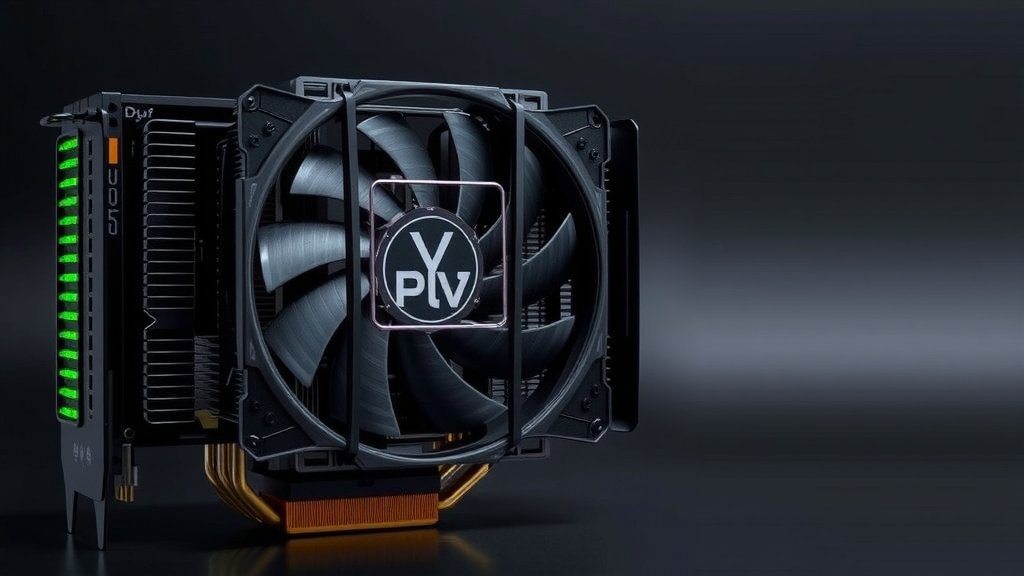
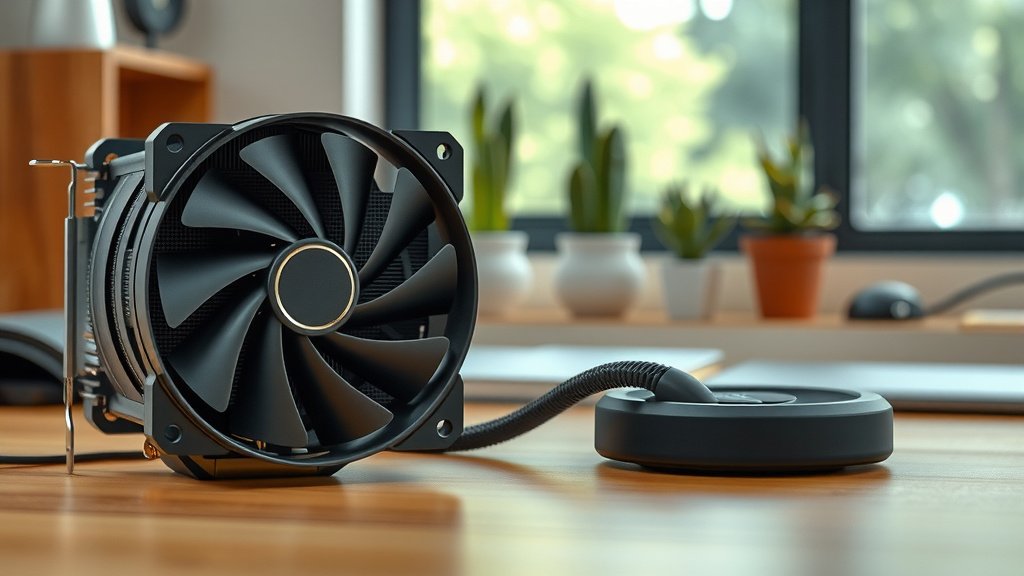
When you’re looking at graphics cards, especially higher-end models, keep an eye out for vapor chamber cooling. It’s a clear indicator of a robust and premium cooling design. You’re getting a piece of technology dedicated to keeping your GPU happy and performing at its best.
“`
Conclusion
You’ve learned that vapor chamber GPU coolers are a top-tier cooling solution. They efficiently manage heat by turning liquid into vapor and back again. This rapid heat transfer prevents hot spots and allows your GPU to perform at its best. For enthusiasts and gamers demanding peak performance, a vapor chamber cooler is a serious upgrade. When choosing your next graphics card, remember to look for this advanced cooling technology. It’s a key feature for consistent performance and longevity.
Frequently Asked Questions
Are vapor chambers better than heat pipes?
Yes, vapor chambers generally offer superior cooling performance. They spread heat across a much larger area, much faster than linear heat pipes. This even distribution helps prevent GPU hot spots more effectively.
Do I need a vapor chamber for everyday use?
For basic tasks like web browsing or office work, a standard heat pipe cooler is usually sufficient. Vapor chambers are most beneficial for demanding applications like high-end gaming or video editing where your GPU works very hard.
How does a vapor chamber prevent my GPU from overheating?
The chamber’s internal fluid quickly absorbs heat and turns into vapor. This vapor travels to cooler fins, releasing the heat. The condensed liquid then returns to the hot spot, creating a continuous cooling cycle.
Can a vapor chamber cooler make my PC quieter?
Yes, a more efficient cooler means the GPU fans don’t need to spin as fast or as often. This leads to a noticeably quieter system, especially when your GPU is under heavy load.
Are vapor chambers expensive to manufacture?
Yes, the manufacturing process for vapor chambers is more complex than for standard heat pipes. This is why they are typically found on more premium and higher-end graphics cards.

![10 Best Gpu For Dcs World [2026]](https://spsolutionscare.com/wp-content/uploads/2026/09/10-best-gpu-for-dcs-world-2026-featured-768x432.jpg)
![10 Variant [2026]](https://spsolutionscare.com/wp-content/uploads/2026/08/10-variant-2026-featured-768x432.jpg)