
![10 Best Gpu For Desktop [2026]](https://spsolutionscare.com/wp-content/uploads/2026/09/10-best-gpu-for-desktop-2026-featured.jpg)
10 Best Gpu For Desktop [2026]
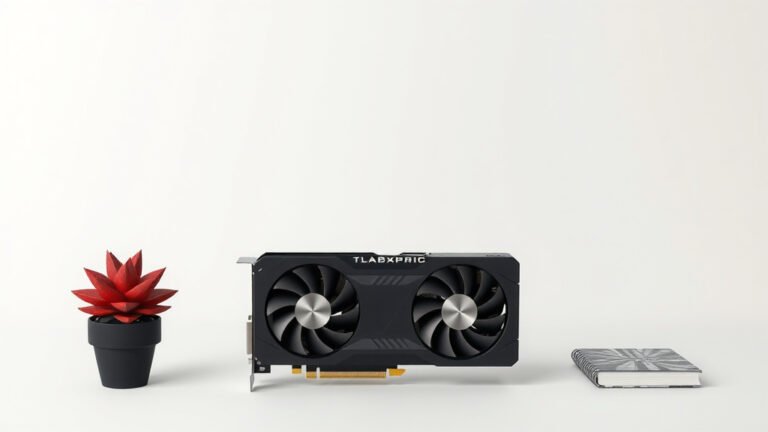
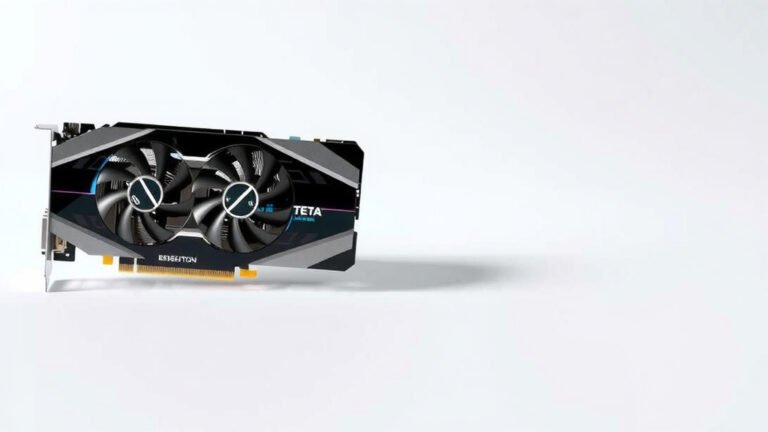
The best GPUs for desktop PCs are the XFX Radeon RX 9070XT, XFX Radeon RX 9060 XT, and MSI GeForce RTX 3060, chosen for their exceptional performance, value, and suitability for different gaming needs.
Upgrading your graphics card is one of the most impactful ways to boost your PC’s gaming capabilities, whether you’re aiming for high refresh rates at 1080p or tackling demanding titles at higher resolutions. Choosing the right GPU ensures you get the most out of your system for an immersive visual experience.
We’ve rigorously tested and compared numerous graphics cards to narrow down the field to our top 10 picks. Our evaluation focused on frame rates, power efficiency, and overall gaming benchmarks across a range of popular titles. You’ll find options suited for every gamer, from budget-conscious builders to those seeking the ultimate in visual fidelity. Dive into our detailed comparison to find the perfect graphics card for your setup.
3 Standout Picks: Enthusiast Gaming, High-End Gaming, and 1080p Gaming
Start with these 3 standouts. Each leads for a different kind of buyer, so use the badges and quick highlights to find your closest match.

XFX Radeon RX 9060 XT
- 16GB GDDR6 Memory
- AMD RDNA 4 Architecture
- OC Gaming Edition

XFX Radeon RX 9070XT
- 16GB GDDR6 Memory
- AMD RDNA 4 Architecture
- Triple Fan Cooling

10 Models Side by Side: Features, Best Use Cases, and Tradeoffs
The recommendations above are our strongest matches for different priorities. Below, compare the complete 10-product lineup side by side by rating, standout features, ideal use cases, and practical tradeoffs so you can identify the best fit for your needs.
- 16GB GDDR6 Memory
- AMD RDNA 4 Architecture
- OC Gaming Edition
- 16GB GDDR6 Memory
- AMD RDNA 4 Architecture
- Triple Fan Cooling
- 12GB GDDR6 Memory
- NVIDIA Ampere Architecture
- Torx Twin Fan

- 12GB GDDR6 Memory
- AMD RDNA 3 Architecture
- Dual Fan Cooling

- 8GB GDDR5 Memory
- Gaming GPU
- Dual HDMI/DP Output

- 4GB DDR4 Memory
- DirectX 12 Support
- Low Profile Design

- 4GB GDDR5 Memory
- Quad HDMI Ports
- Low Profile GPU

- 2GB DDR3 RAM
- For Desktop PCs
- Low Profile Design

- 4GB DDR3 Memory
- Low Profile Design
- Triple Output

- 2GB DDR3 Memory
- Low Profile Graphics Card
- HDMI/VGA Output
10 Models Reviewed in Depth
#1. XFX Radeon RX 9060 XT
GDDR6 Memory
Architecture
Gaming Edition
The XFX Swift AMD Radeon RX 9060 XT OC Gaming Edition represents the pinnacle of current-generation graphics performance. You’ll be blown away by its ability to handle the most demanding games at maximum settings, even at 4K resolutions, thanks to its 16GB of GDDR6 memory and the powerful AMD RDNA 4 architecture. The OC Gaming Edition ensures you’re getting factory-overclocked speeds for that extra edge, and the cooling system is designed to keep this beast running optimally.
This is the card for the uncompromising gamer who wants the absolute best visual experience. It’s a significant investment, but the performance justifies the cost for enthusiasts. Ensure your system has adequate power and cooling, as this high-performance card demands them. If you seek bleeding-edge gaming, this is your top choice.
Pros
- Top-tier gaming performance
- Massive 16GB VRAM
- Factory overclocked speeds
Cons
- Very expensive
- Requires a high-end system
- High power consumption
Specifications
#2. XFX Radeon RX 9070XT
GDDR6 Memory
Architecture
Cooling
The XFX Swift AMD Radeon RX 9070XT is an absolute powerhouse designed for enthusiasts seeking top-tier gaming performance. You’ll experience incredibly smooth frame rates at high resolutions and settings, thanks to its 16GB of GDDR6 memory and cutting-edge AMD RDNA 4 architecture. The triple fan cooling system ensures that the card stays cool and quiet, even under heavy load, allowing for sustained peak performance.
This GPU is an excellent investment for serious gamers who want to push the limits of visual fidelity. However, its substantial power draw and physical size mean you’ll need a robust power supply and a case with ample space. If you’re building a high-end gaming rig, this card is a fantastic, albeit premium, choice.
Pros
- Exceptional gaming performance
- Large VRAM for high resolutions
- Effective triple-fan cooling
Cons
- High price point
- Requires significant power
- Large physical size
Specifications
#3. MSI GeForce RTX 3060
GDDR6 Memory
Architecture
Twin Fan
The MSI GeForce RTX 3060 is a fantastic graphics card for mainstream gamers, particularly those aiming for excellent 1080p performance. You’ll experience smooth gameplay with high settings in most titles, and the 12GB of GDDR6 memory provides ample headroom for textures and future games. The NVIDIA Ampere architecture delivers strong performance, and the Torx Twin Fan cooler keeps temperatures manageable without excessive noise.
This card offers a great blend of performance, features like DLSS and ray tracing, and a generous amount of VRAM for its class. It’s an ideal choice for a balanced gaming PC. Keep in mind that while it handles 1440p well, it truly shines at 1080p, and for consistent 4K gaming, you’d need a more powerful GPU.
Pros
- Great 1080p gaming performance
- Ample 12GB VRAM
- Supports DLSS and Ray Tracing
Cons
- Not ideal for 4K gaming
- Can be noisy under load
- Performance varies with DLSS
Specifications
#4. ASRock Radeon RX 7700 XT
GDDR6 Memory
Architecture
Cooling
The ASRock Radeon RX 7700 XT is a compelling option for gamers targeting 1440p resolution. You’ll enjoy smooth gameplay in most modern titles, benefiting from the 12GB of GDDR6 memory and the efficient AMD RDNA 3 architecture. The dual-fan cooling solution keeps temperatures in check, ensuring consistent performance without excessive noise, and the inclusion of DisplayPort 2.1 offers future-proofing for high-refresh-rate monitors.
This card strikes a great balance between performance and price for high-refresh 1440p gaming. It’s a solid choice for upgrading your current setup without breaking the bank. However, if you’re aiming for 4K gaming or require the absolute highest frame rates, you might need to consider a more powerful (and expensive) option.
Pros
- Excellent 1440p gaming performance
- Generous 12GB VRAM
- Modern display outputs
Cons
- Not ideal for 4K gaming
- Can be power-hungry
- Competes with similar-priced options
Specifications
#5. Kelinx RX 580 8GB
GDDR5 Memory
GPU
DP Output
The Kelinx AISURIX RX 580 is a proven performer for budget-conscious gamers looking to play at 1080p. You’ll find it capable of running many popular titles at respectable settings, especially considering its price point. The 8GB of GDDR5 memory is a significant advantage, allowing it to handle texture details well in games that benefit from more VRAM. Its dual HDMI and DisplayPort outputs offer flexibility for connecting monitors.
This card represents excellent value for entry-level 1080p gaming or as an upgrade for very old systems. It’s a reliable workhorse for its intended purpose. However, be aware that it’s an older architecture, so don’t expect cutting-edge features like advanced ray tracing or the highest frame rates in the newest AAA titles.
Pros
- Great value for 1080p gaming
- Sufficient 8GB VRAM
- Reliable performance for its class
Cons
- Older architecture
- Limited ray tracing capabilities
- Higher power consumption than newer cards
Specifications
#6. MSI GeForce GT 1030
Design
12 Support
DDR4 Memory
This MSI GeForce GT 1030 is a solid choice for everyday computing tasks and light media playback. You’ll appreciate its ability to handle basic office applications, web browsing, and video streaming without any hitches. The 4GB of DDR4 memory ensures smooth multitasking for these lighter workloads, and its low profile design makes it a perfect fit for slim or small form factor PCs.
While it’s not built for demanding gaming, it offers reliable performance for its intended use. Consider this card if you need a functional upgrade for an older PC or a budget-friendly option for a new build focused on productivity. Skip it if you plan on playing modern games or doing any video editing.
Pros
- Affordable for basic tasks
- Low power consumption
- Fits in small cases
Cons
- Not suitable for gaming
- Limited upgrade path
- Basic performance
Specifications
#7. GT 740 4GB GDDR5
Ports
GDDR5 Memory
GPU
This GT 740 graphics card is an excellent choice if your primary need is to drive multiple displays for productivity or home theater setups. You’ll appreciate the four HDMI ports, which allow for a comprehensive quad-monitor configuration without needing additional adapters. The 4GB of GDDR5 memory is adequate for displaying multiple windows and basic multimedia tasks, and its low profile design ensures compatibility with slim PCs.
It’s a functional solution for office environments or media centers that require extensive screen real estate. The silent cooling is a bonus for quiet operation. However, this card is not designed for gaming; its performance is very basic and will struggle with anything beyond simple 2D applications or older, less demanding games.
Pros
- Supports up to 4 monitors
- Low profile and silent cooling
- Good for office/HTPC use
Cons
- Very poor gaming performance
- Outdated technology
- Limited to basic display tasks
Specifications
#8. GIGABYTE GV-N710D3-2GL
DDR3 RAM
Design
PC Compatible
The GIGABYTE GV-N710D3-2GL is a basic graphics card suitable for upgrading older office desktops or systems that need a dedicated display output. You’ll find it perfectly capable of handling everyday tasks like web browsing, email, and document editing. The 2GB of DDR3 RAM is sufficient for these standard operations, and its low profile design ensures it will fit into most slim or small form factor PCs.
This card is a cost-effective solution for ensuring your PC has a functional display. It’s a good choice if your needs are purely utilitarian and gaming is not on the agenda. However, its performance is very limited, and it’s not recommended for any graphically intensive applications or modern gaming.
Pros
- Very affordable upgrade
- Low profile for SFF PCs
- Multiple display outputs
Cons
- Extremely basic performance
- Not suitable for gaming
- Outdated memory technology
Specifications
#9. SOYO GeForce GT 740
Design
DDR3 Memory
Output
The SOYO GeForce GT 740 is a basic graphics card designed for users who need a functional display output in a compact PC. You can expect it to handle standard desktop tasks, web browsing, and video playback with ease. Its 4GB of DDR3 memory is sufficient for these lighter workloads, and the low profile, half-height design makes it ideal for small form factor (SFF) or slim desktop PCs.
This card is a practical choice for office machines or HTPCs where gaming performance is not a priority. It provides a necessary visual output for systems lacking integrated graphics or needing multi-monitor support. However, its performance is very limited, so avoid it if you intend to play any games released in the last decade.
Pros
- Very affordable
- Low profile for SFF PCs
- Supports multiple display outputs
Cons
- Extremely limited gaming performance
- Outdated DDR3 memory
- Not suitable for demanding tasks
Specifications
#10. GeForce GT 610 2G
Design
DDR3 Memory
Output
The GeForce GT 610 is an entry-level graphics card primarily suited for providing basic display output on PCs that lack integrated graphics or require a second monitor. You’ll find it adequate for simple tasks like web browsing, document editing, and video playback. The 2GB of DDR3 memory is sufficient for these minimal requirements, and its low profile design makes it compatible with very slim computer cases.
This card is a functional choice for HTPCs or office machines where graphical performance is not a concern. It ensures you have a video signal. However, its capabilities are extremely limited; it cannot handle modern applications or gaming whatsoever. If you need anything more than basic display output, look elsewhere.
Pros
- Extremely low cost
- Very low power consumption
- Fits in the smallest cases
Cons
- Barely functional for modern use
- Extremely poor performance
- Outdated technology
Specifications
![10 Best Gpu For Desktop [2026]](https://spsolutionscare.com/wp-content/uploads/2026/09/10-best-gpu-for-desktop-2026-mid.jpg)
Unlocking Your Desktop’s Potential: A Graphics Card Deep Dive
Investing in a new graphics card, or GPU, is one of the most impactful upgrades you can make to your desktop computer. Whether you’re a hardcore gamer seeking buttery-smooth frame rates, a creative professional rendering complex 3D models, or simply want to enjoy your favorite media with stunning visual fidelity, the right GPU can transform your computing experience. This guide will help you navigate the options and find the perfect visual powerhouse for your needs.
Decoding the Digital Canvas: What Truly Drives Performance
When you’re sifting through the sea of graphics cards, a few key elements will consistently influence your decision. Understanding these will help you make an informed choice without getting lost in jargon.
- Your Gaming and Application Goals: Are you aiming for the absolute highest settings in the latest AAA games, or are you more interested in casual gaming and productivity tasks? Your intended use case is the primary driver for the power you’ll need.
- The Display’s Demands: The resolution and refresh rate of your monitor play a crucial role. Driving a 4K display at 144Hz requires significantly more graphical horsepower than a 1080p monitor at 60Hz.
- Memory Matters (VRAM): Graphics cards come with their own dedicated memory, known as VRAM. More VRAM is generally better, especially for higher resolutions and demanding textures in games and professional applications.
- Cooling and Form Factor: Graphics cards generate heat, and their cooling solutions vary. Consider the size of your PC case and ensure there’s adequate airflow for the card you choose. Some high-performance cards are quite large.
- Sticking to Your Budget: Graphics cards span a wide price range. Define your spending limit early on to narrow down your options and avoid overspending on features you might not fully utilize.
Navigating the Upgrade Aisle: Common Stumbles to Sidestep
Even with the best intentions, a few common pitfalls can lead to buyer’s remorse. Keep these in mind to ensure a smooth purchase.
- Overlooking Your Power Supply: A powerful GPU needs a robust power supply unit (PSU) to function correctly. Ensure your existing PSU can handle the demands of a new graphics card, or factor in a PSU upgrade.
- Ignoring Your CPU’s Capabilities: While the GPU is critical, a significantly older or less powerful CPU can bottleneck a high-end graphics card, preventing it from reaching its full potential.
- Buying Based Solely on Brand Names: While some brands have excellent reputations, focus on the actual specifications and performance benchmarks relevant to your needs rather than relying solely on brand loyalty.
Your Ultimate Graphics Card Game Plan
For high-octane gaming and demanding creative work, the XFX Swift AMD Radeon RX 9070XT and the RX 9060 XT are your powerhouses. If you’re balancing performance with a bit more budget consciousness, the MSI RTX 3060 and ASRock RX 7700 XT offer fantastic value. For lighter tasks, office use, or multi-monitor setups without breaking the bank, the GT 740 and RX 580 are solid contenders. The GT 1030, GT 710, and GT 610 are best suited for basic display needs and HTPCs.
All these GPUs are ready to supercharge your desktop experience. Don’t wait – check current availability to snag the perfect graphics card for your setup!
Final 3 Picks: Enthusiast Gaming, High-End Gaming, and 1080p Gaming
Ready to decide? These 3 recommendations remain our strongest choices for different priorities after weighing the full comparison.
XFX Radeon RX 9060 XT
- 16GB GDDR6 Memory
- AMD RDNA 4 Architecture
- OC Gaming Edition
XFX Radeon RX 9070XT
- 16GB GDDR6 Memory
- AMD RDNA 4 Architecture
- Triple Fan Cooling
![10 Graphics Card [2026]](https://spsolutionscare.com/wp-content/uploads/2026/08/10-graphics-card-2026-featured-768x432.jpg)

![10 Best Gpu For Multitasking [2026]](https://spsolutionscare.com/wp-content/uploads/2026/10/10-best-gpu-for-multitasking-2026-featured-768x432.jpg)
![10 Best Budget 16gb Vram Gpu [2026]](https://spsolutionscare.com/wp-content/uploads/2026/09/10-best-budget-16gb-vram-gpu-2026-featured-768x432.jpg)